A Comprehensive Guide to Integrating Grid-Level Storage for Commercial Clients
JR
Integrating grid-level storage into commercial operations is a strategic move that can significantly enhance energy efficiency and sustainability. As businesses seek to improve energy management, understanding the components and benefits of grid-level storage becomes essential.
Understanding Grid-Level Storage
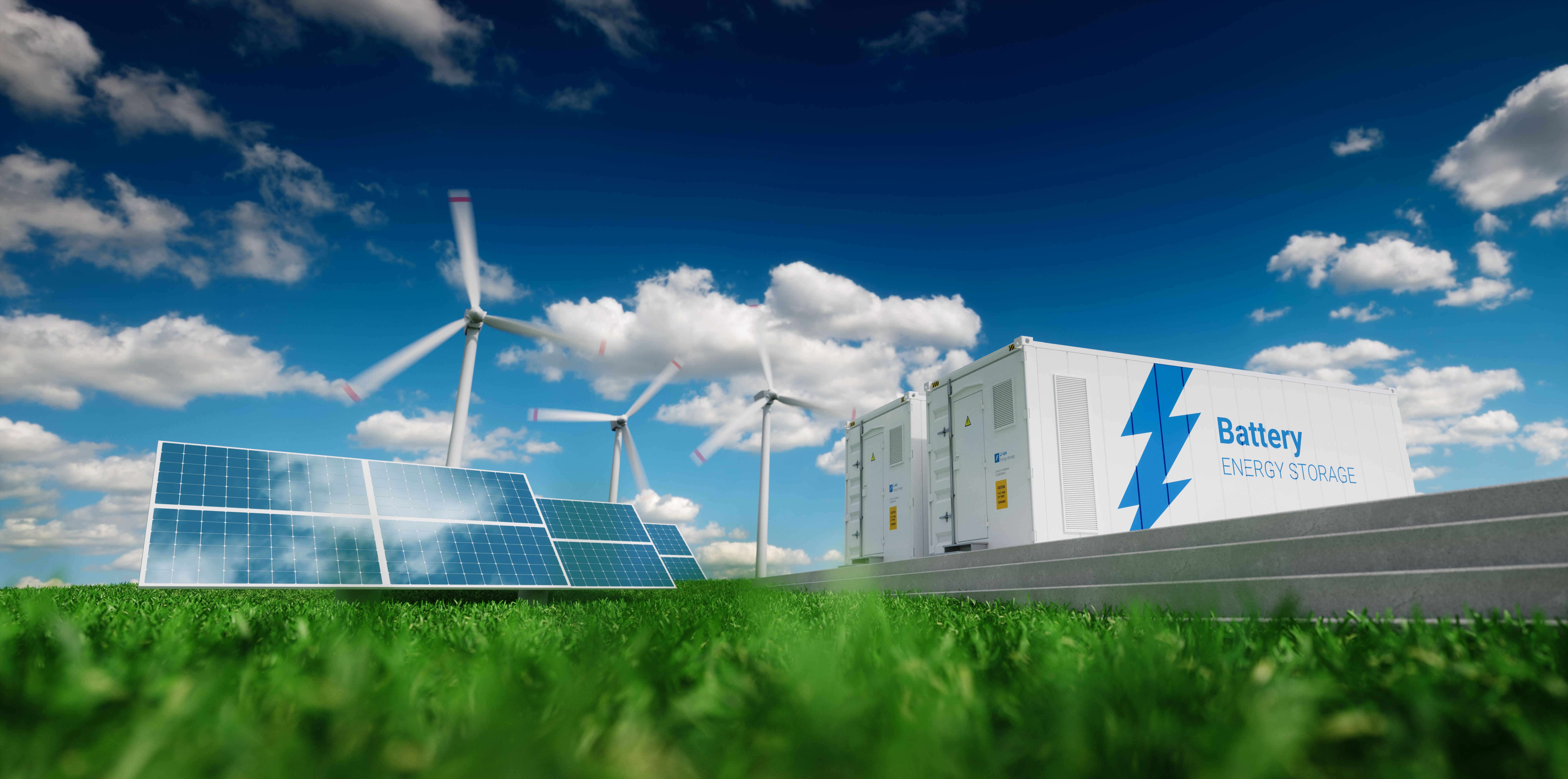
Grid-level storage, often referred to as large-scale energy storage, involves storing energy at a mass scale to accommodate fluctuations in energy supply and demand. These systems help stabilize the grid, manage peak loads, and integrate renewable energy sources effectively.
Grid-level storage systems can take various forms, including batteries, pumped hydro storage, and compressed air energy storage. Each type has unique advantages and potential applications, making it vital for businesses to assess their specific needs before selecting a solution.
The Benefits for Commercial Clients
Integrating grid-level storage offers several benefits for commercial clients, primarily in reducing energy costs and enhancing reliability. By storing energy during off-peak times and using it during peak demand, businesses can achieve significant cost savings.

Moreover, grid-level storage supports the integration of renewable energy sources, such as solar and wind, by providing a reliable buffer for intermittent energy supply. This capability is crucial for businesses aiming to reduce their carbon footprint and embrace more sustainable practices.
Steps to Integrate Grid-Level Storage
Integrating grid-level storage involves several critical steps. First, businesses need to conduct a thorough energy audit to understand their consumption patterns and identify potential savings. This information is crucial in selecting the right storage solution.
- Conduct an energy audit.
- Assess storage technology options.
- Develop a comprehensive integration plan.
- Implement and monitor the system.
Technology Options and Considerations
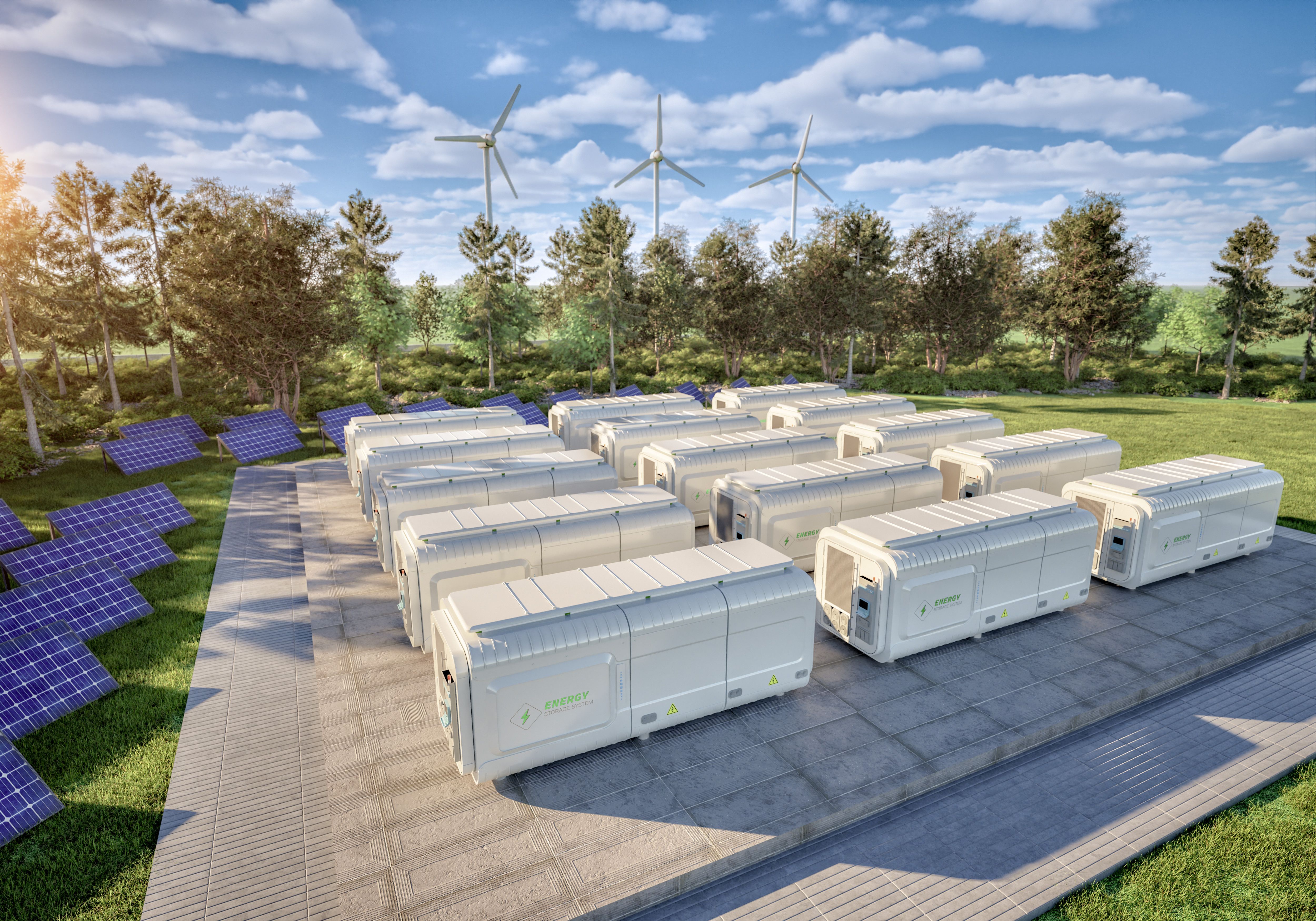
Choosing the right technology is vital. Battery storage is often favored for its flexibility and scalability, while pumped hydro storage may be more suitable for larger operations with appropriate geographical features. Businesses should also consider factors like initial investment, maintenance costs, and scalability.
Furthermore, regulatory considerations and potential incentives for adopting grid-level storage should be explored. Governments and utilities often offer incentives to encourage the adoption of energy storage solutions, which can offset initial costs.
Overcoming Challenges
While the benefits are clear, businesses may encounter challenges in integrating grid-level storage. These can include high initial costs, technological complexity, and regulatory hurdles. However, partnering with experienced providers can help navigate these challenges effectively.
Additionally, staying informed about technological advancements and policy changes is crucial. The energy storage landscape is rapidly evolving, and businesses that adapt quickly can gain a competitive edge.

In conclusion, integrating grid-level storage presents a substantial opportunity for commercial clients to enhance energy efficiency and sustainability. By carefully evaluating needs, exploring technology options, and leveraging available incentives, businesses can successfully implement these systems for long-term benefits.