Case Study: Successful Energy Storage Implementation in Denver
JR
Introduction to Energy Storage in Denver
In recent years, Denver has become a hub for sustainable energy solutions, with energy storage playing a critical role. This case study explores a successful implementation of energy storage systems within the city, illustrating how strategic planning and innovative technology can transform energy management.

Understanding the Need for Energy Storage
As Denver continues to grow, so does its energy demand. Traditional energy sources struggle to keep up with peak demands, leading to potential blackouts and increased costs. Energy storage systems are crucial in stabilizing the grid by storing excess energy and releasing it during high-demand periods.
The city recognized the need for a reliable energy storage solution to enhance grid resilience and support its renewable energy goals. By integrating energy storage, Denver aims to reduce dependency on fossil fuels and minimize carbon emissions.
Project Planning and Objectives
The implementation project began with a clear set of objectives:
- Enhance grid reliability and efficiency
- Reduce energy costs for consumers
- Support renewable energy integration
Stakeholders, including local government, utility companies, and technology providers, collaborated to develop a comprehensive plan.
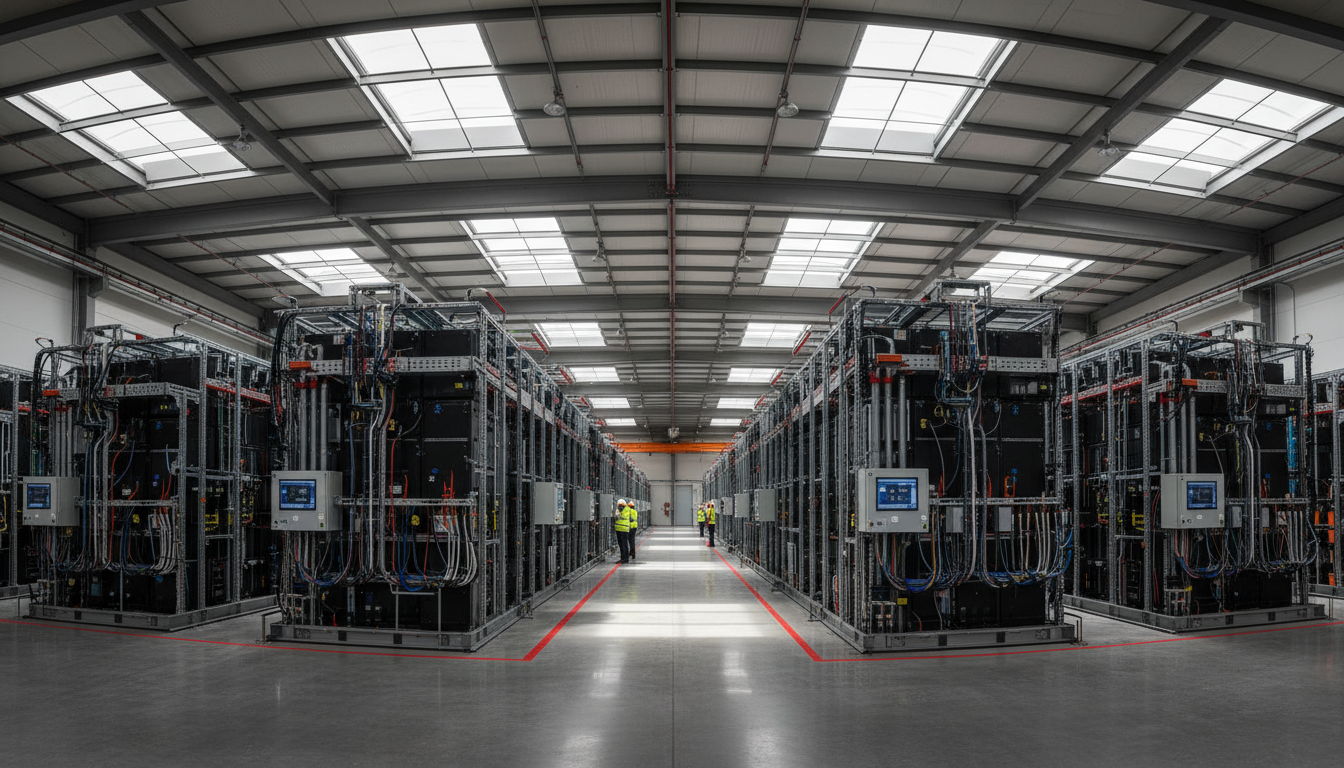
Technology and Implementation
The project utilized cutting-edge lithium-ion battery technology, known for its efficiency and long lifecycle. These batteries were strategically placed across the city in key locations to maximize their impact.
Advanced software systems were employed to monitor and manage the energy flow, ensuring optimal performance. This technology allowed for seamless integration with existing grid infrastructure.
Challenges and Solutions
Despite its success, the project faced several challenges, including:
- High initial investment costs
- Technical integration with existing systems
- Regulatory hurdles
Through strategic partnerships and government incentives, these challenges were effectively addressed, paving the way for a smooth implementation.

Outcomes and Benefits
The energy storage implementation in Denver has yielded significant benefits, including:
- Enhanced grid stability and reduced outage risks
- Lower energy costs for consumers
- Increased use of renewable energy sources
These outcomes not only contribute to a more sustainable city but also set a precedent for other urban centers.
Future Prospects
Looking ahead, Denver plans to expand its energy storage capacity further. The success of this project has inspired confidence in the potential of energy storage to drive sustainable urban growth.
Continued investment and innovation in this field are expected to yield even greater efficiencies and benefits in the coming years.
Conclusion
The successful implementation of energy storage in Denver serves as a model for cities worldwide. By leveraging advanced technology and strategic collaboration, cities can achieve significant strides in energy management and sustainability.
As Denver continues to lead the way, it offers valuable insights and lessons for other urban areas seeking to enhance their energy infrastructure.