Case Study: Successful Energy Storage Integration for a Denver Utility
JR
Introduction to Energy Storage Integration
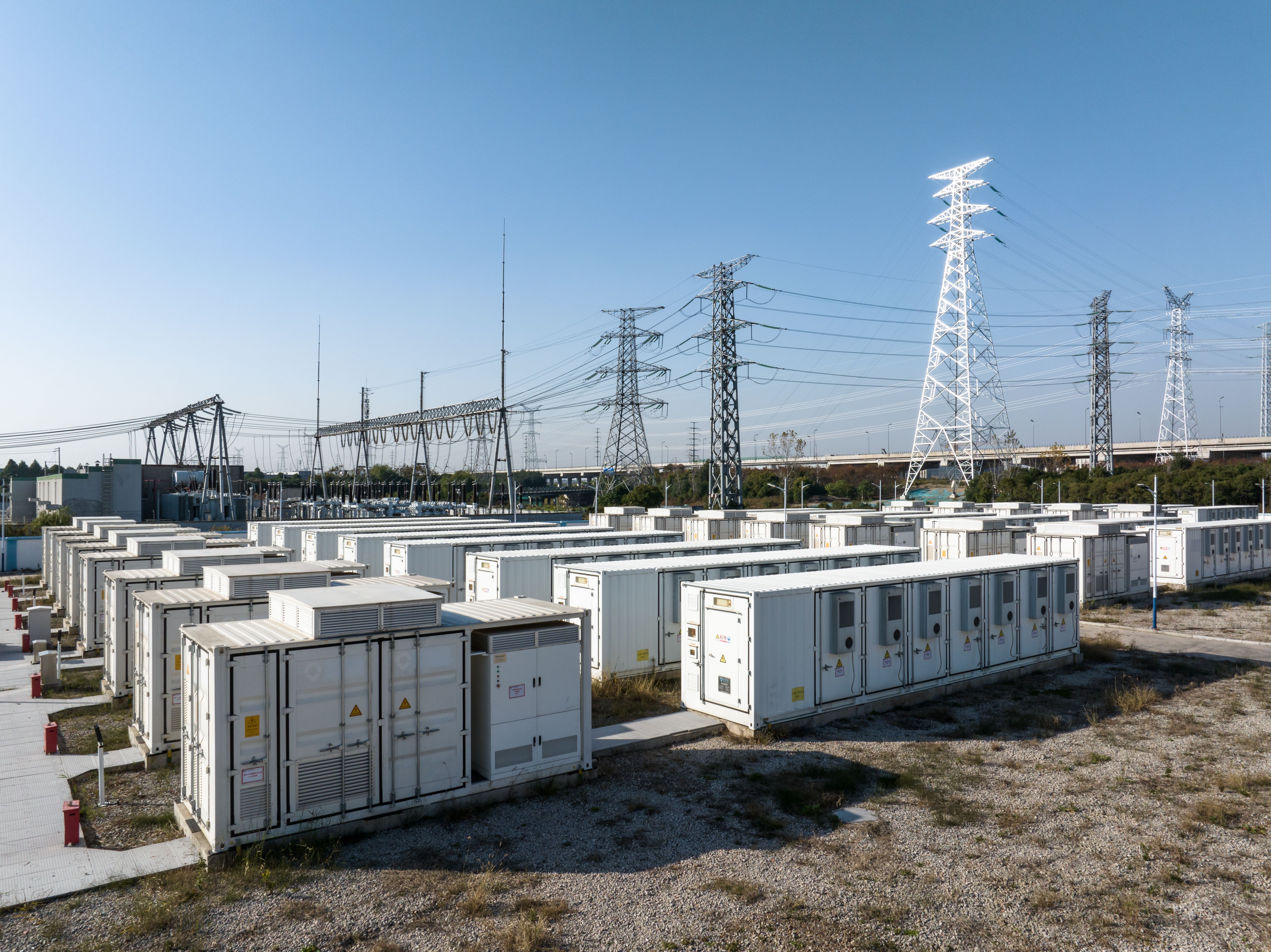
The growing demand for renewable energy sources has led to innovative solutions in energy storage systems. One of the most noteworthy examples of successful integration can be found in Denver, where a local utility has implemented a cutting-edge energy storage solution. This case study explores the project, highlighting its challenges, strategies, and outcomes.
Understanding the Project Goals
Denver's utility aimed to enhance grid reliability and maximize the use of renewable energy. The primary goals were to reduce dependency on fossil fuels, improve energy efficiency, and provide a stable supply during peak demand. By integrating energy storage, the utility sought to store excess energy generated from solar and wind resources.
Challenges Faced
The integration of energy storage systems posed several challenges. These included technological limitations, high initial costs, and regulatory hurdles. The utility had to navigate complex permitting processes and ensure compliance with local and federal regulations.

Strategic Implementation
To overcome these challenges, the utility partnered with leading technology providers. They implemented a phased approach, starting with small-scale pilot projects. This strategy allowed them to test various technologies and identify the most effective solutions for their specific needs.
- Phase 1: Pilot projects to test feasibility
- Phase 2: Scaling up successful technologies
- Phase 3: Full integration into the grid
Outcomes and Benefits
The integration of energy storage has led to significant improvements in grid stability and efficiency. The utility has successfully reduced reliance on non-renewable energy sources, resulting in decreased carbon emissions. Additionally, energy costs have been lowered, benefiting both the utility and its customers.

Community and Environmental Impact
The project has had a positive impact on the local community and environment. By reducing emissions, the utility has contributed to cleaner air and a healthier environment. The initiative has also created jobs, boosting the local economy and fostering innovation in the energy sector.
Future Prospects
Looking ahead, the utility plans to expand its energy storage capabilities. Future projects will focus on further integrating renewable energy sources and enhancing grid resilience. The success of this initiative serves as a model for other utilities aiming to adopt sustainable energy practices.
Conclusion
The case study of Denver's utility highlights the transformative potential of energy storage integration. Through strategic planning and collaboration, the utility has achieved significant milestones in sustainability and energy efficiency. This success story underscores the importance of innovation and adaptability in the energy sector.