Case Study: Successful Implementation of Grid-Level Storage in Denver
JR
Introduction to Grid-Level Storage
The implementation of grid-level storage systems is revolutionizing the way cities manage energy. In Denver, a recent project has demonstrated the transformative potential of these systems. By integrating advanced technology and strategic planning, Denver has set a benchmark for others to follow.
Grid-level storage is essential for balancing energy supply and demand. It helps stabilize the grid, especially with the increasing incorporation of renewable energy sources. This case study explores how Denver successfully implemented such a system, the challenges faced, and the benefits realized.

The Need for Grid-Level Storage in Denver
Denver has been at the forefront of adopting renewable energy. The city's ambitious goals for reducing carbon emissions and enhancing energy efficiency required a robust solution to manage the fluctuating nature of renewable sources like solar and wind.
The need arose from the mismatch between energy production and consumption. Energy storage systems were identified as the key to bridging this gap, ensuring a reliable and sustainable energy supply.
Challenges in Implementation
One of the main challenges was the initial cost of setting up the storage infrastructure. However, with strategic partnerships and government incentives, Denver was able to mitigate these costs. Another challenge was integrating the storage systems with existing grid infrastructure, which required technological adaptation and skilled manpower.
Strategic Planning and Execution
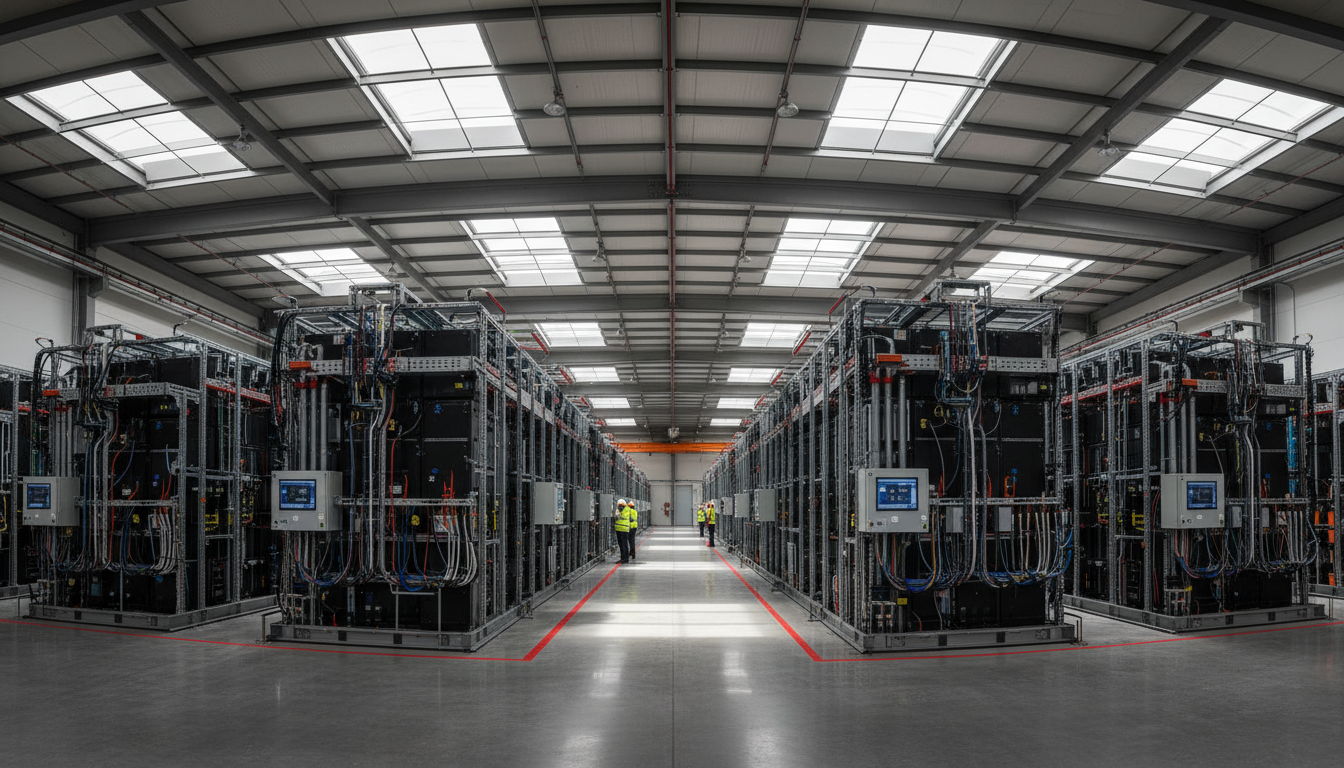
The planning phase involved comprehensive research and collaboration with experts in the field. By analyzing data and forecasting energy needs, Denver developed a tailored approach to grid-level storage. The execution involved installing state-of-the-art battery systems and leveraging smart technology for optimal performance.
Key elements of the strategy included:
- Partnering with leading technology providers.
- Utilizing government grants and incentives.
- Engaging the community through awareness programs.
Benefits and Outcomes
The implementation of grid-level storage has led to significant benefits for Denver. Not only has it enhanced grid stability, but it has also facilitated the integration of more renewable energy sources. This has resulted in reduced carbon emissions and a step towards achieving the city's sustainability goals.

Community Impact and Future Prospects
The successful implementation has positively impacted the local community by creating jobs and boosting the local economy. Residents have also experienced a more reliable energy supply, with fewer outages and disruptions.
Looking ahead, Denver plans to expand its grid-level storage capabilities. The city aims to serve as a model for other urban areas seeking to enhance their energy systems sustainably.
Conclusion
Denver's journey with grid-level storage underscores the importance of innovative solutions in modern energy management. By overcoming challenges through strategic planning and execution, the city has paved the way for a sustainable energy future.
This case study illustrates the potential of grid-level storage to transform urban energy systems, offering valuable insights for other cities looking to follow in Denver's footsteps.