Case Study: Successful Implementation of Grid-Level Storage in Denver
JR
Overview of the Project
The city of Denver has always been at the forefront of adopting sustainable technologies. Recently, it has successfully implemented a groundbreaking project: grid-level energy storage. This initiative aims to optimize energy usage and enhance the reliability of renewable energy sources. The project is a testament to the city's commitment to environmental sustainability and innovation.
Understanding Grid-Level Storage
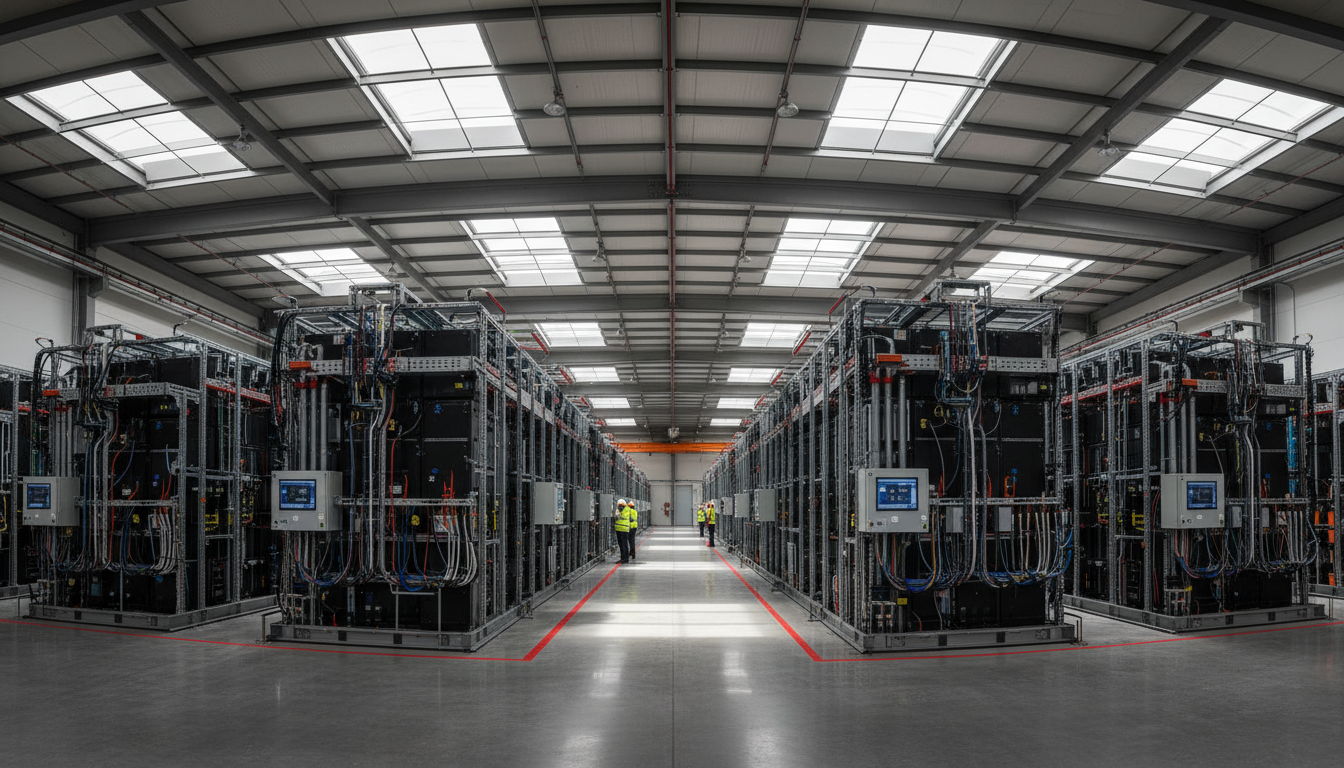
Grid-level storage refers to large-scale energy storage systems that store energy for use when demand is high. These systems are crucial for balancing supply and demand, especially when incorporating renewable energy sources like wind and solar. In Denver, this storage technology helps stabilize the grid and ensures a steady electricity supply, even when renewable generation is low.
By storing excess energy produced during peak production times, the city can release it during periods of high demand. This not only improves efficiency but also reduces reliance on non-renewable energy sources.
Implementation Process
The implementation of grid-level storage in Denver involved several key steps. The city collaborated with leading technology providers to ensure the installation of state-of-the-art storage systems. Here’s an overview of the process:
- Planning and Assessment: Comprehensive studies were conducted to determine the best locations for storage facilities.
- Technology Selection: Cutting-edge battery technologies were chosen to maximize efficiency and capacity.
- Installation: Expert teams worked on the seamless integration of storage systems into the existing grid infrastructure.
Benefits to the Community
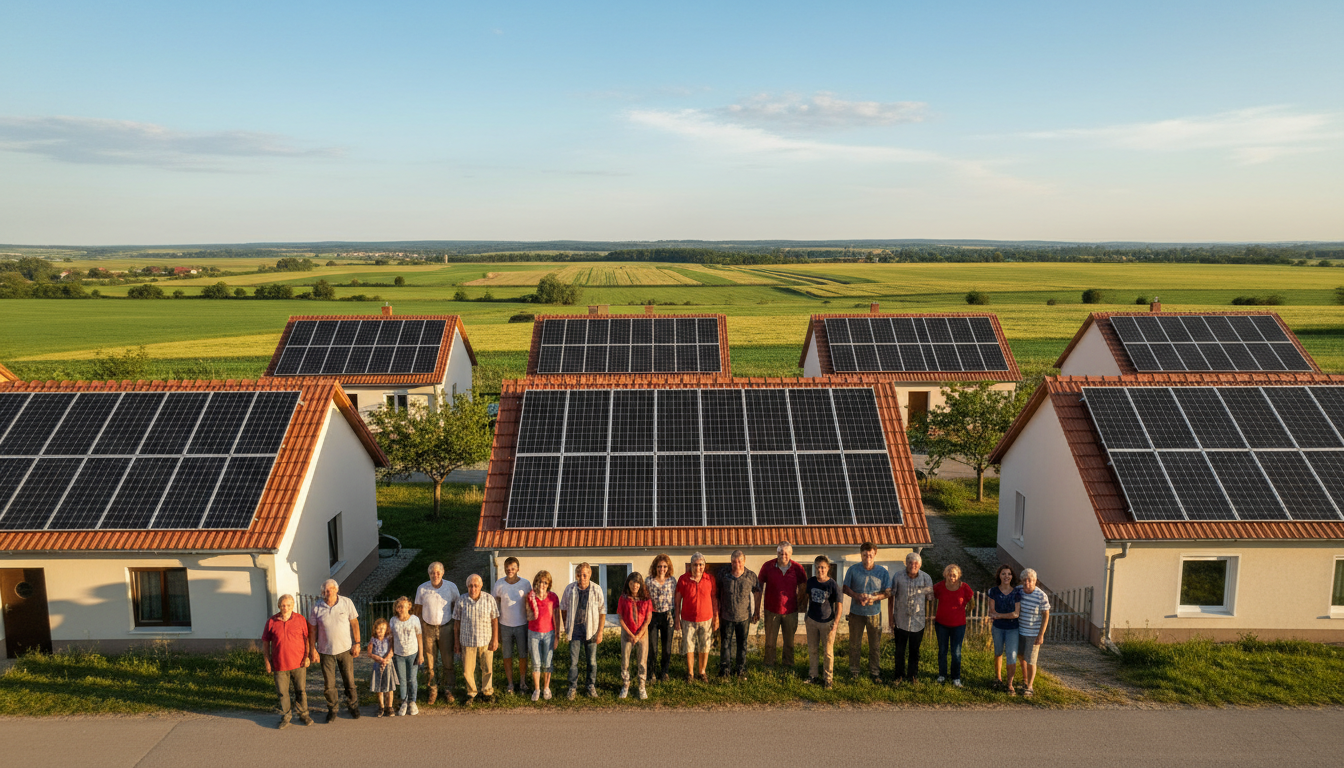
The successful implementation of grid-level storage in Denver brings numerous benefits to the community. One of the primary advantages is the enhanced reliability of the energy supply, which minimizes the risk of outages. Additionally, this initiative supports the city’s goal of reducing its carbon footprint by lowering dependence on fossil fuels.
Moreover, residents and businesses in Denver can expect more stable energy costs, as the efficient energy management helps mitigate price fluctuations. This economic benefit is particularly important for attracting new businesses and fostering growth.
Challenges Overcome
While the project has been a success, it was not without its challenges. One of the main hurdles was ensuring seamless integration with the existing grid infrastructure. This required careful planning and collaboration between various stakeholders, including utility companies and government agencies.

Another challenge was managing public perception and securing community support. Through transparent communication and public engagement initiatives, the project team was able to address concerns and highlight the long-term benefits of the project.
Future Prospects
The success of Denver’s grid-level storage project sets a precedent for other cities looking to enhance their energy infrastructure. As technology continues to evolve, Denver plans to expand its storage capacity and explore additional renewable energy solutions.
Looking forward, the city aims to become a model for sustainable urban energy management, inspiring similar projects nationwide. This vision aligns with global efforts to combat climate change and promotes a cleaner, greener future for all.