Case Study: Successful Renewable Storage Integration in Denver Utilities
JR
Introduction
In recent years, the integration of renewable energy storage solutions has become a critical component in modernizing utility services. Denver Utilities has emerged as a leader in this domain, demonstrating how strategic planning and implementation can lead to successful outcomes.
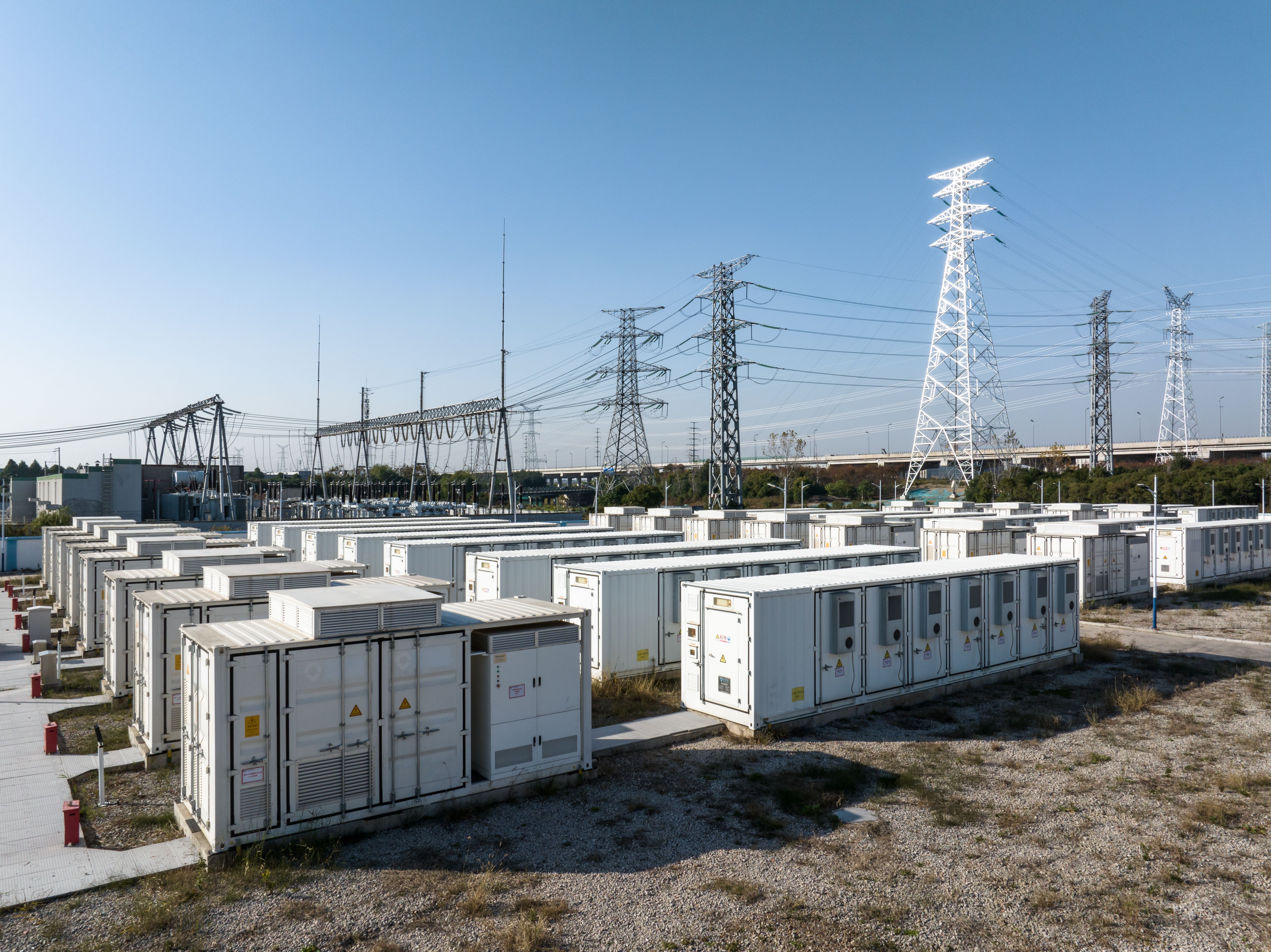
The transition to renewable energy is not only about generating power from sustainable sources but also about effectively storing and distributing it. This case study explores how Denver Utilities has integrated renewable storage to enhance efficiency and reliability.

Background
Denver Utilities, serving a metropolitan area with a population exceeding 700,000, has faced increasing demand for greener energy solutions. The utility recognized the need to reduce its carbon footprint and improve energy reliability through innovative storage technologies.
In response, Denver Utilities embarked on a project to integrate renewable energy storage systems, aiming to balance energy supply and demand while reducing dependence on fossil fuels.
Implementation Strategy
The successful integration of renewable storage in Denver Utilities was achieved through a multi-phase approach:
- Assessment and Planning: Initial assessments were conducted to identify the most effective storage solutions. This involved analyzing energy consumption patterns and forecasting future demands.
- Technology Selection: After thorough research, technologies such as lithium-ion batteries and flow batteries were selected for their efficiency and scalability.
- Pilot Programs: Small-scale pilot projects were launched to test the technologies in real-world conditions, allowing for adjustments and optimization.
This strategic approach ensured that all potential challenges were addressed before full-scale implementation.
Challenges and Solutions
During the implementation, Denver Utilities encountered several challenges, including:
- High initial costs of storage technologies.
- Regulatory hurdles and compliance requirements.
- Integration with existing infrastructure.
To overcome these issues, Denver Utilities utilized strategic partnerships with technology providers and secured government grants to subsidize costs. Regulatory challenges were addressed by collaborating closely with local authorities to ensure compliance.
Results and Impact
The integration of renewable storage has significantly impacted Denver Utilities in several positive ways:
- Increased Grid Stability: The storage systems provide a buffer, absorbing excess energy during low demand periods and releasing it during peak times.
- Reduced Carbon Emissions: By relying less on fossil fuels, the utility has significantly lowered its carbon footprint.
- Cost Savings: The efficiencies gained have translated into reduced operational costs, benefiting both the utility and its consumers.
Future Prospects
Looking ahead, Denver Utilities plans to expand its renewable storage capabilities further, aiming for a 50% increase in capacity over the next five years. Continued investment in research and development is expected to drive innovation and efficiency.
The success of this project sets a benchmark for other utilities nationwide, demonstrating the feasibility and benefits of renewable storage integration.
Conclusion
Denver Utilities' journey in integrating renewable storage offers valuable insights into the complexities and rewards of transitioning to sustainable energy solutions. Through strategic planning, innovation, and collaboration, they have not only enhanced their service reliability but also contributed to a cleaner environment.
This case study underscores the importance of renewable storage as a cornerstone of modern utility infrastructure, paving the way for a sustainable future.