Comparing Energy Storage Solutions: Finding the Right Fit for Your Business
JR
In today's rapidly evolving energy landscape, businesses are increasingly exploring energy storage solutions to enhance efficiency, reduce costs, and promote sustainability. However, with various options available, choosing the right solution can be challenging. This post aims to compare different energy storage solutions to help you find the best fit for your business needs.
Understanding Your Energy Storage Needs
Before diving into specific solutions, it's crucial to understand your business's unique energy requirements. Consider factors such as energy consumption patterns, peak demand times, and long-term sustainability goals. This understanding will guide your decision-making process and ensure you select a solution that aligns with your objectives.
Battery Storage Systems
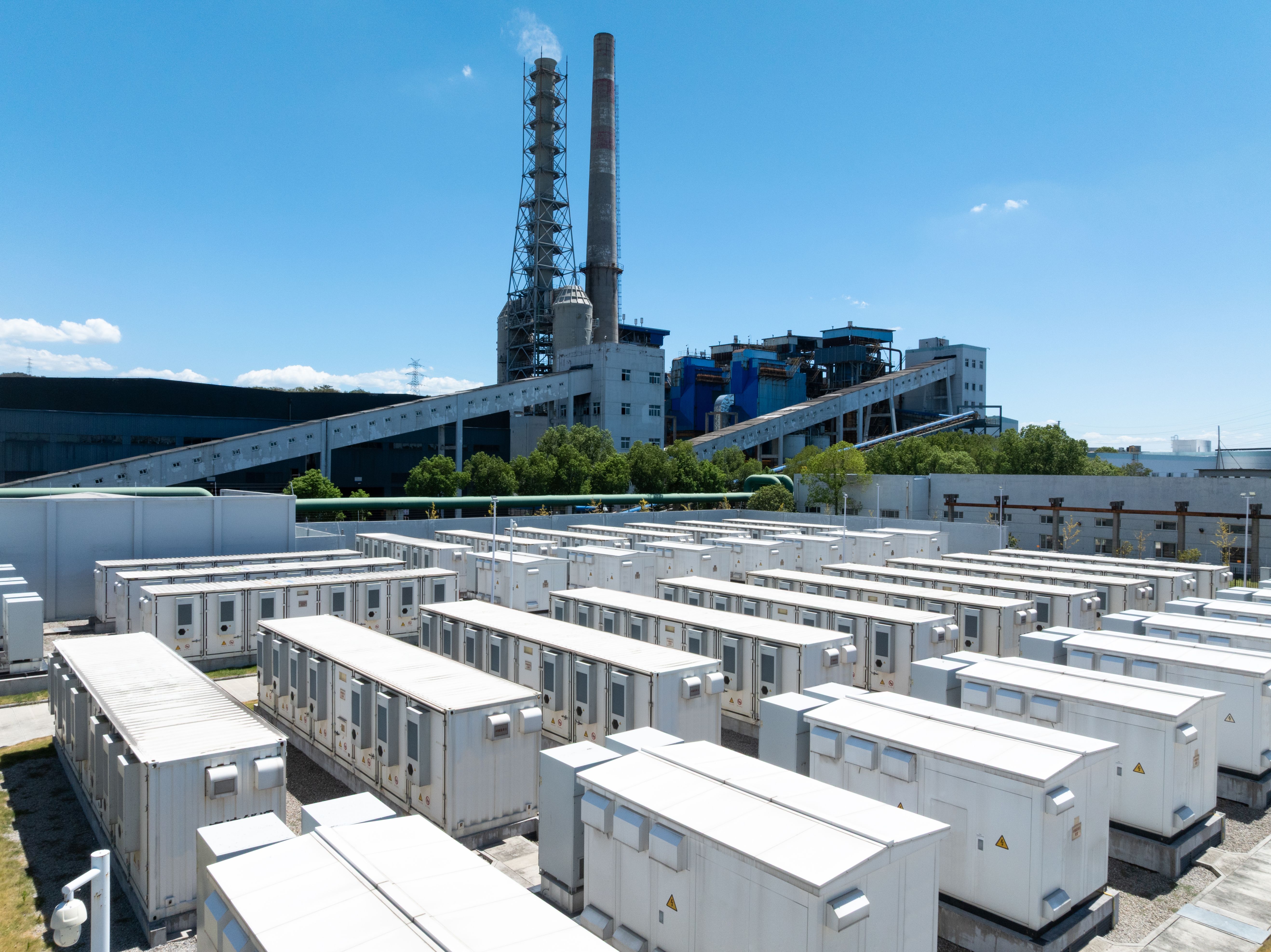
Battery storage systems are among the most popular choices for businesses. They store electricity for use during peak demand times, helping to manage energy costs effectively. Lithium-ion batteries, in particular, are favored for their efficiency and scalability. However, businesses must weigh the initial investment against the long-term savings and environmental benefits.
One of the key advantages of battery storage is its flexibility. It can be integrated with renewable energy sources, such as solar or wind, to create a more sustainable energy ecosystem. This integration can significantly reduce reliance on the grid, resulting in cost savings and increased energy independence.
Thermal Energy Storage
Thermal energy storage is another viable option, particularly for businesses with significant heating and cooling needs. This technology stores thermal energy for later use, often utilizing materials like water or molten salt. It can be a cost-effective solution for businesses aiming to manage HVAC demands efficiently.

Pumped Hydro Storage
Pumped hydro storage is a well-established technology that involves storing energy by pumping water to a higher elevation and releasing it to generate electricity when needed. This method is highly efficient and suitable for large-scale operations. However, it requires specific geographical conditions, which may limit its applicability for some businesses.
While it boasts a long lifespan and low operational costs, the initial setup can be expensive. Businesses must consider site feasibility and environmental impact before adopting this solution.
Compressed Air Energy Storage
Compressed air energy storage (CAES) offers another alternative by storing energy in the form of compressed air in underground caverns. This stored energy is then released to generate electricity. CAES is suitable for large-scale applications and can complement renewable energy sources effectively.
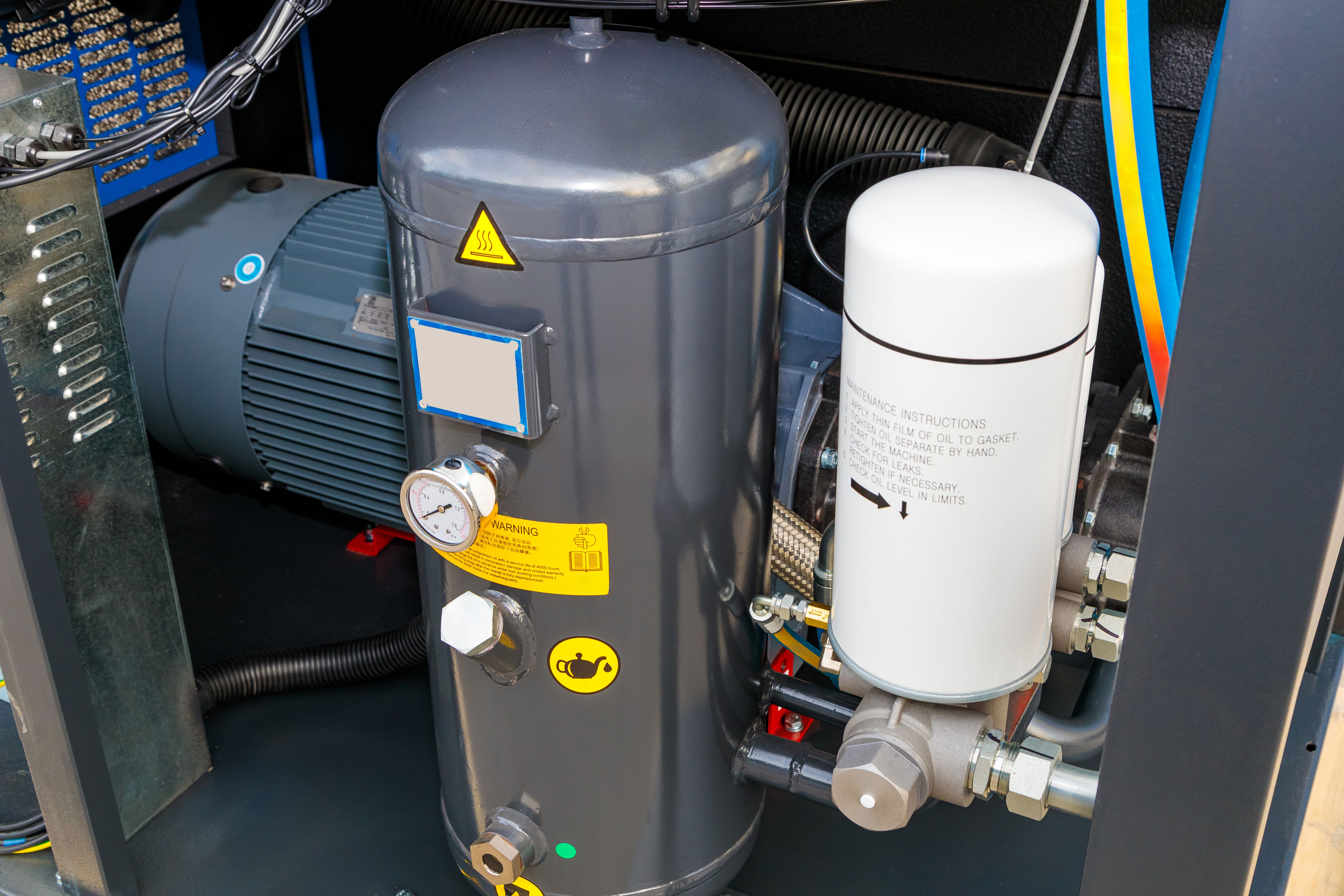
Despite its benefits, CAES has limitations, such as the need for specific geological formations and potential environmental concerns. Businesses exploring this option should conduct thorough feasibility studies to assess its viability.
Conclusion
Selecting the right energy storage solution involves careful consideration of your business's specific needs and constraints. Whether opting for battery systems, thermal storage, pumped hydro, or compressed air, each solution offers unique advantages and challenges. By evaluating these options, businesses can make informed decisions that support their operational efficiency and sustainability goals.