Debunking Myths About Renewable Energy Storage Systems
JR
Understanding Renewable Energy Storage
Renewable energy storage systems are pivotal in the transition to a sustainable future, yet several myths cloud their potential. These systems store energy generated from renewable sources like solar and wind, making it available when needed. Despite their importance, misconceptions persist, influencing public perception and policy.
In this article, we aim to debunk some of the most common myths about renewable energy storage systems, shedding light on their true capabilities and limitations.
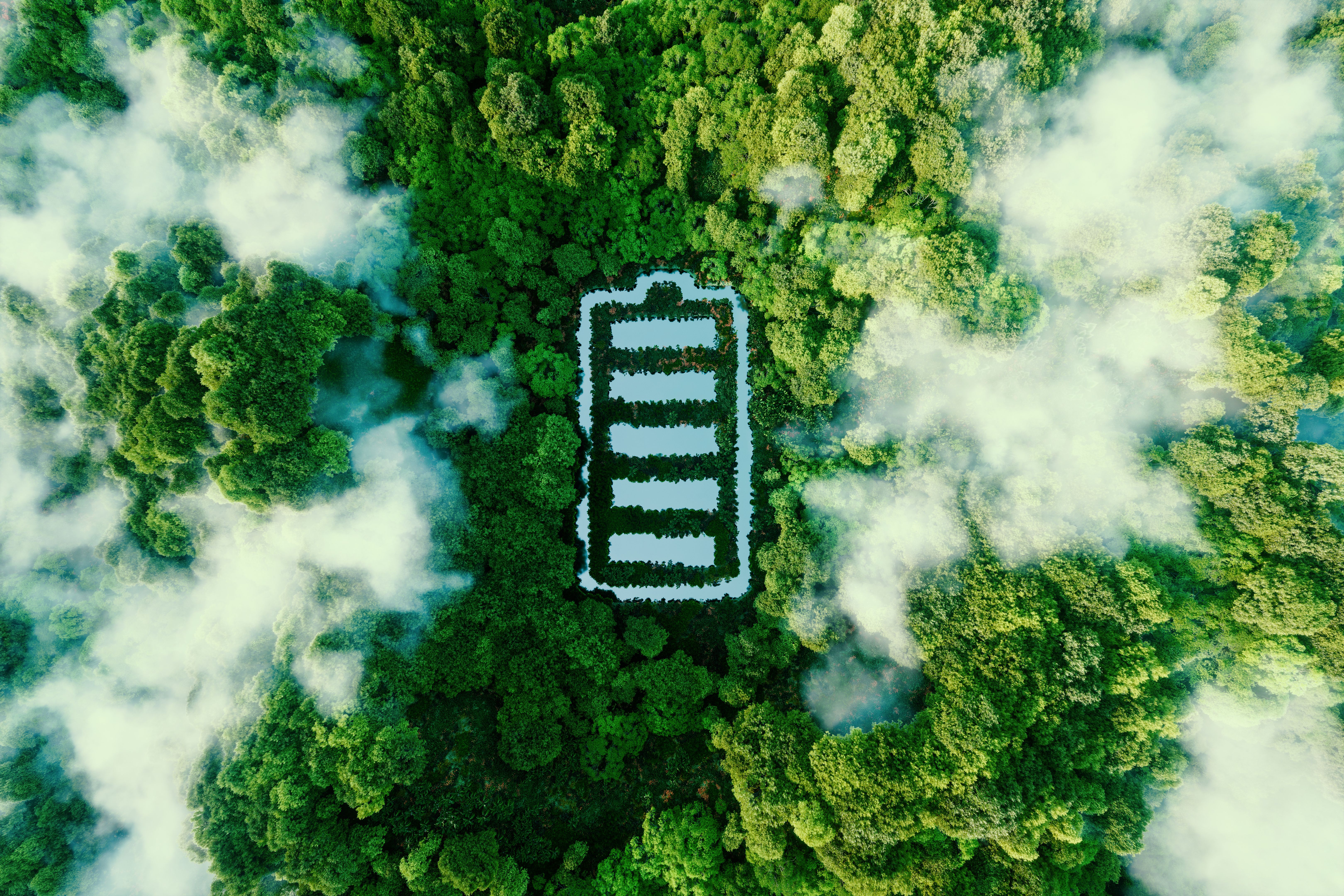
Myth 1: Storage Systems Are Too Expensive
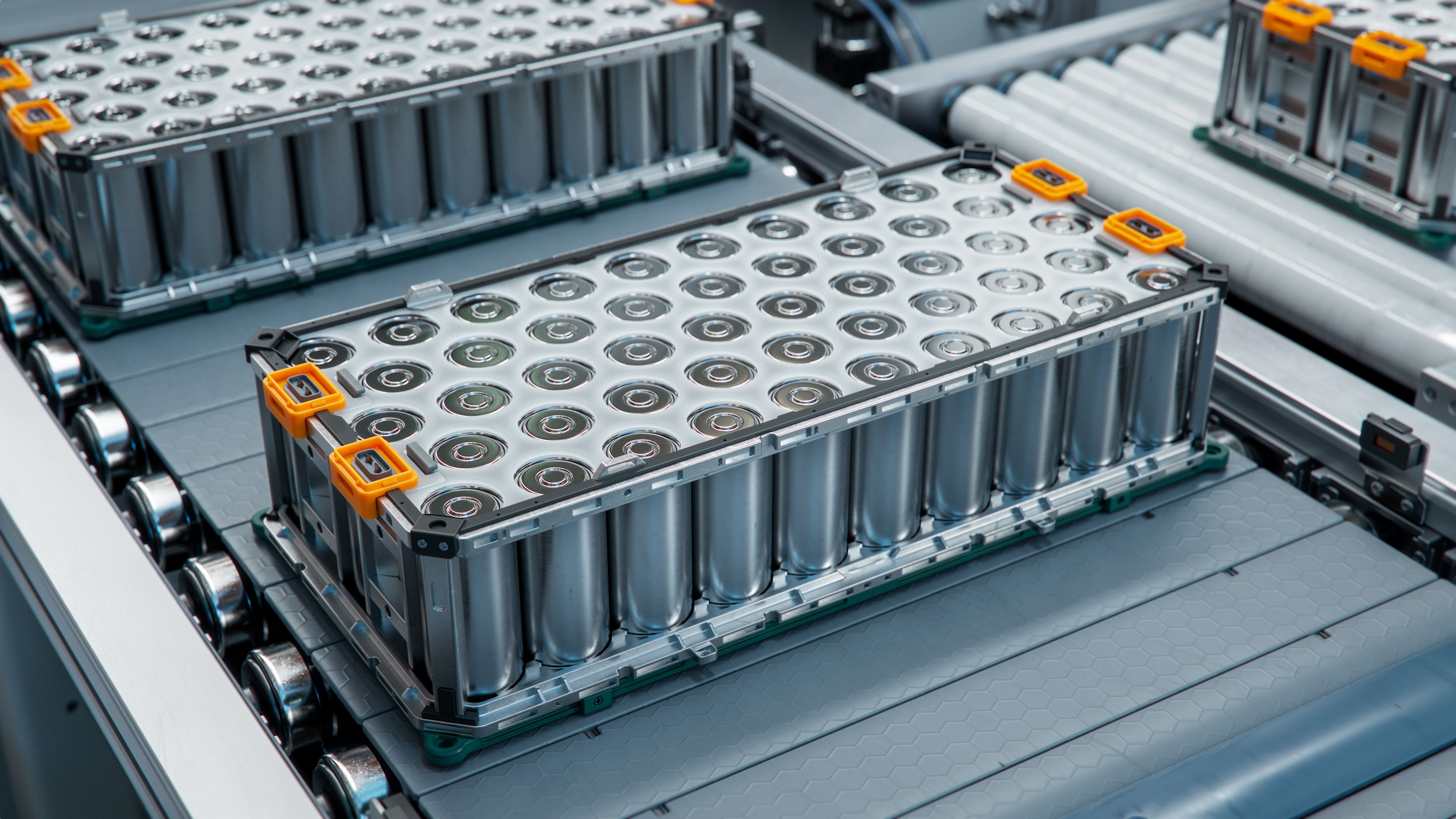
One prevalent myth is that renewable energy storage systems are prohibitively expensive. While it's true that initial costs can be high, the prices have been steadily decreasing. According to recent studies, the cost of lithium-ion batteries, a popular storage option, has fallen by over 80% in the last decade. Furthermore, the long-term savings on energy bills and the reduction in carbon emissions often outweigh initial investments.
Additionally, government incentives and subsidies are making these systems more accessible, encouraging wider adoption among both residential and commercial users.

Myth 2: Storage Systems Are Inefficient
Efficiency is another area often misunderstood. Many believe that energy storage systems are inefficient, losing significant energy during the storage and retrieval process. However, modern systems boast efficiency rates of up to 90% or more, depending on the technology used. This means that the majority of the energy stored is available for use, minimizing waste.
Advancements in technology continue to improve these efficiency rates, making energy storage an increasingly viable solution for sustainable energy management.
Myth 3: Energy Storage Is Only for Solar Power
While solar power is a common application for energy storage, it is by no means the only one. Storage systems are versatile and can be used with various renewable energy sources, including wind, hydro, and geothermal. This flexibility allows for a more reliable and resilient energy grid, capable of meeting diverse energy needs.
The integration of different energy sources with storage systems enhances energy security and ensures a steady supply, even when individual sources are intermittent.
Myth 4: Storage Systems Are Not Environmentally Friendly
Concerns about the environmental impact of manufacturing and disposing of storage systems are valid but often exaggerated. Many companies are adopting sustainable practices, focusing on reducing the environmental footprint of production processes. Additionally, recycling programs are in place to manage the lifecycle of these systems effectively.
In the long run, the environmental benefits of reducing reliance on fossil fuels far outweigh the environmental costs of storage systems.

Myth 5: Storage Systems Are Unreliable
The belief that renewable energy storage systems are unreliable stems from outdated information. Modern storage solutions are designed to withstand various environmental conditions and operate efficiently over long periods. Many systems come with warranties that guarantee performance and reliability, providing peace of mind to users.
Continuous innovation and rigorous testing standards ensure that these systems meet high reliability criteria, supporting a stable energy supply.
By debunking these myths, we hope to provide a clearer understanding of renewable energy storage systems. Embracing these technologies is essential for a sustainable energy future, promising economic and environmental benefits. As technology advances, these systems will only become more integral to our energy landscape.