Expert Insights: The Future of Battery Technologies in Renewable Energy
JR
Introduction to Battery Technologies in Renewable Energy
The energy landscape is undergoing a rapid transformation, with renewable energy sources like solar and wind taking center stage. A crucial component of this shift is the development of advanced battery technologies, which play a vital role in storing and managing energy efficiently. As we look to the future, these technologies will be at the forefront of making sustainable energy more accessible and reliable.
Current State of Battery Technologies
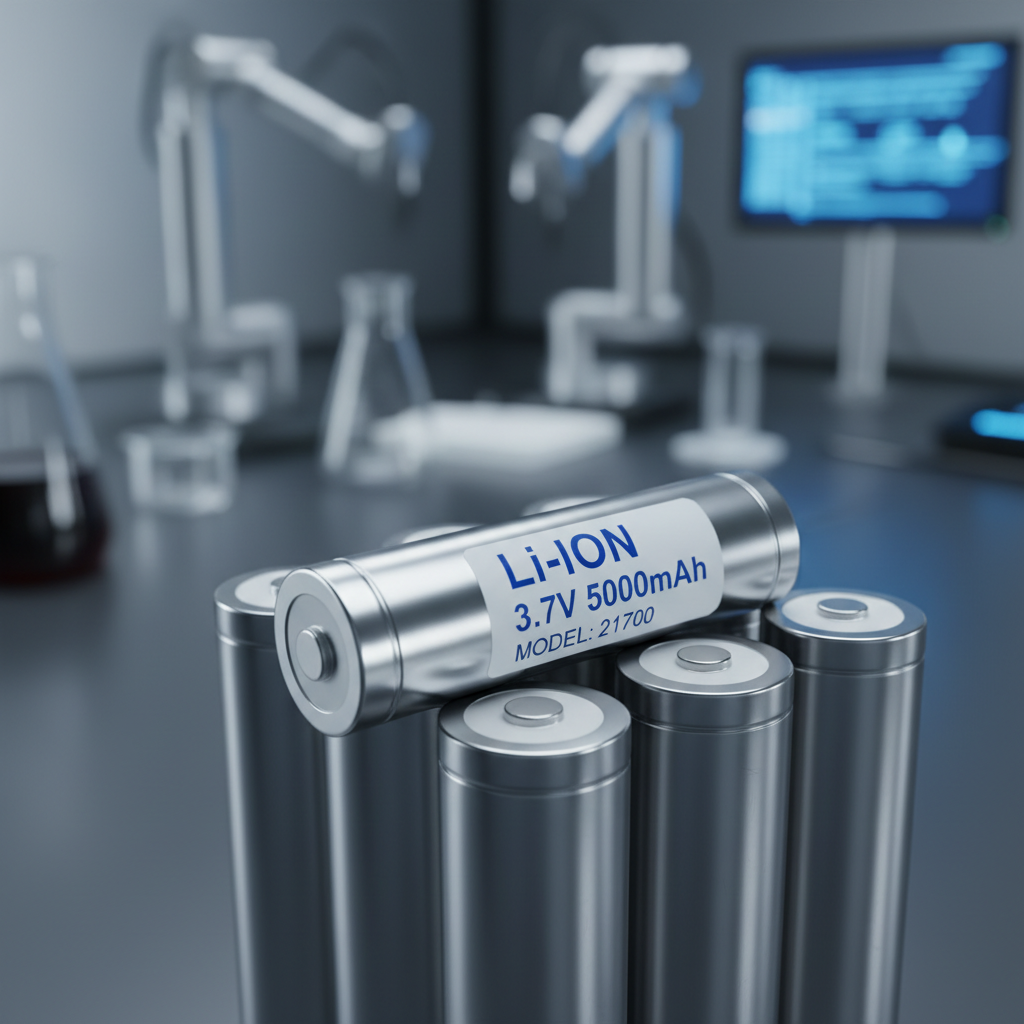
Today, lithium-ion batteries dominate the market due to their high energy density and efficiency. However, the demand for more sustainable and long-lasting solutions has led researchers to explore alternative options. Solid-state batteries, for instance, promise enhanced safety and performance, although they are still in the development phase.
Furthermore, flow batteries and sodium-ion batteries are gaining attention for their potential in large-scale energy storage. These technologies could provide more cost-effective solutions for grid storage, helping to balance supply and demand in renewable energy systems.
Innovations Driving Change
Several innovations are paving the way for the next generation of battery technologies. Key areas of focus include:
- Material Science: Researchers are exploring new materials to increase battery efficiency and lifespan.
- Manufacturing Processes: Advances in manufacturing are helping to reduce costs and improve scalability.
- Recycling and Sustainability: Developing methods for recycling batteries is crucial to minimizing environmental impact.
The Role of Artificial Intelligence and Data Analytics
Artificial intelligence (AI) and data analytics are revolutionizing how we manage and optimize battery performance. By analyzing usage patterns and predicting future demands, AI can help in the efficient deployment of battery systems. This not only enhances the reliability of renewable energy sources but also reduces costs.
Furthermore, machine learning algorithms are being used to design new battery materials and predict their performance, accelerating the development of cutting-edge technologies.
Challenges and Opportunities
Despite the promise of advanced battery technologies, several challenges remain. These include high production costs, resource scarcity, and the need for robust supply chains. However, these challenges also present opportunities for innovation and growth in the renewable energy sector.

Future Prospects and Impact
As battery technologies continue to evolve, they will play a crucial role in enabling a more sustainable and resilient energy future. By reducing reliance on fossil fuels and enhancing the efficiency of renewable sources, advanced batteries are set to become a cornerstone of the global energy transition.
The integration of smart grids with advanced battery storage systems will further enhance energy reliability and accessibility, paving the way for a cleaner, greener planet.
Conclusion
The future of battery technologies in renewable energy is bright, filled with innovation and potential. As research and development continue to push boundaries, these technologies will undoubtedly play a pivotal role in shaping a sustainable energy landscape for generations to come.