How to Prepare Your Business for Seasonal Energy Demands with Storage Solutions
JR
Understanding Seasonal Energy Demands
As the seasons change, so do the energy demands of businesses. Whether it's the increased use of heating in winter or air conditioning in summer, these fluctuations can significantly impact operational costs. Understanding these demands is the first step in preparing your business to handle them efficiently.
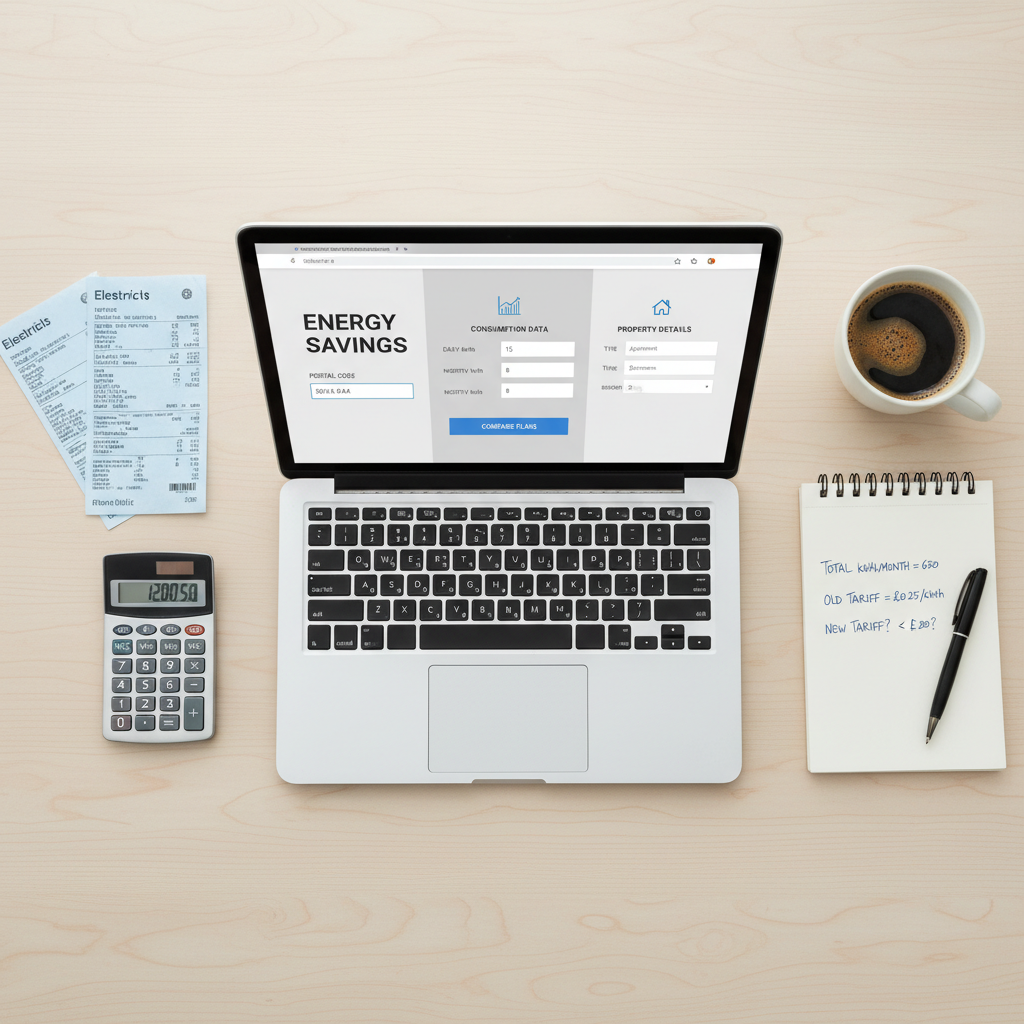
Businesses need to assess their energy consumption patterns throughout the year. This can be done by reviewing historical energy bills and identifying peak usage times. By understanding these patterns, you can better plan for future energy needs and implement strategies to manage costs effectively.
The Role of Energy Storage Solutions
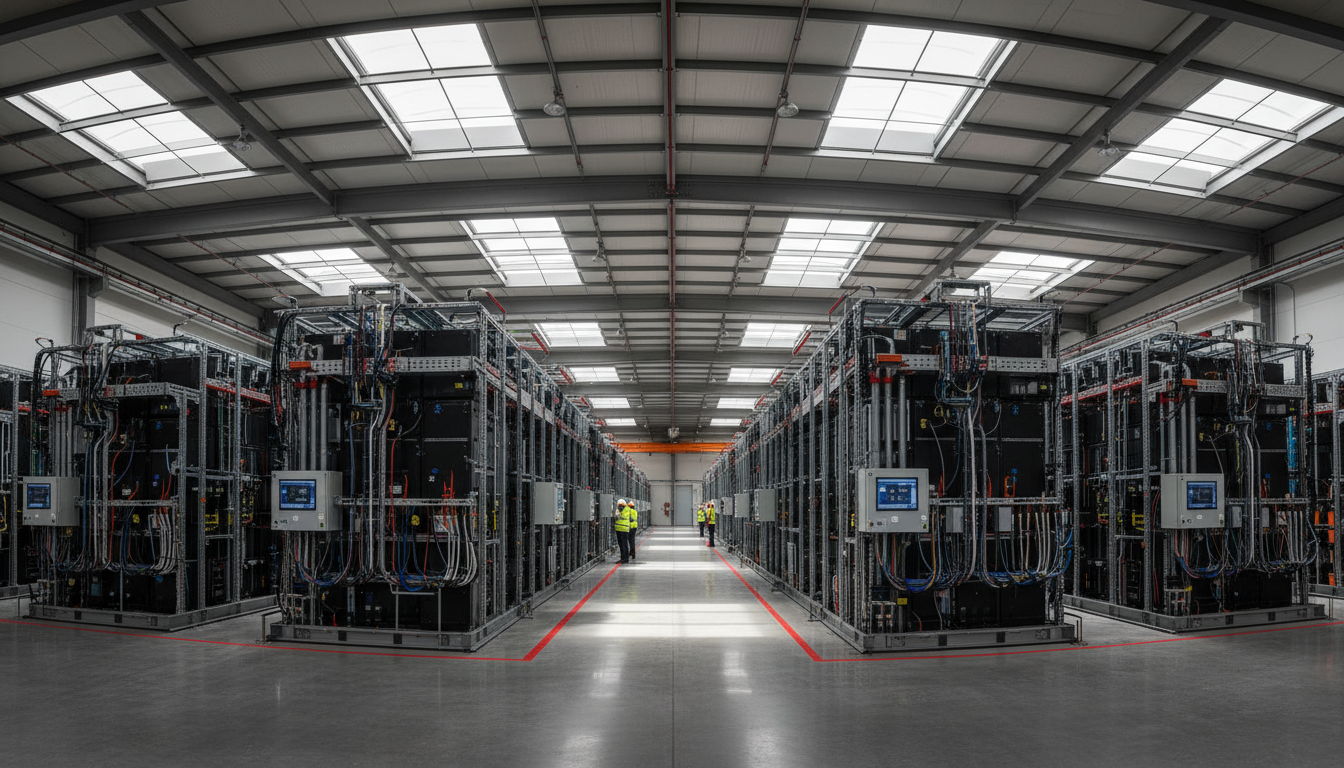
Energy storage solutions play a crucial role in managing seasonal energy demands. By storing energy during low-demand periods, businesses can use it during peak times, reducing reliance on external energy sources. This not only helps in cost savings but also contributes to a more sustainable business model.
There are several types of energy storage solutions available, including batteries, thermal storage, and pumped hydro storage. Each solution has its own advantages and can be tailored to meet the specific needs of your business.
Choosing the Right Energy Storage Solution
When selecting an energy storage solution, consider factors such as capacity, cost, and compatibility with existing systems. It's important to conduct a thorough analysis of your business's energy needs and consult with experts to choose the most suitable option.
Batteries are a popular choice for many businesses due to their versatility and scalability. They can store electricity generated from renewable sources, such as solar panels, and provide backup power during outages. Thermal storage, on the other hand, is ideal for businesses with high heating and cooling demands.
Implementing Energy Management Strategies
In addition to storage solutions, implementing effective energy management strategies can further enhance your business's ability to handle seasonal energy demands. This includes optimizing energy usage, upgrading to energy-efficient equipment, and implementing smart technology for real-time energy monitoring.

Consider creating an energy management plan that outlines specific goals and actions. This plan should be regularly reviewed and updated to reflect changes in energy demands and technological advancements.
Benefits of Proactive Energy Management
Proactively managing energy demands not only helps in reducing costs but also positions your business as an environmentally responsible entity. By minimizing energy waste and maximizing efficiency, you contribute to a more sustainable future.
Additionally, businesses that actively manage their energy consumption can benefit from incentives and rebates offered by governments and utility companies. These financial incentives can further offset the costs of implementing energy storage solutions and other energy-efficient technologies.
Conclusion
Preparing your business for seasonal energy demands is essential for maintaining operational efficiency and controlling costs. By investing in the right energy storage solutions and implementing strategic energy management practices, you can effectively navigate the challenges posed by changing energy demands throughout the year.
As technology continues to advance, staying informed and adaptable will ensure your business remains resilient in the face of fluctuating energy needs. Embrace these strategies and watch your business thrive, regardless of the season.