Integrating Renewable Energy Storage: A Step-by-Step Guide for Commercial Clients
JR
Integrating renewable energy storage into your commercial operations is a strategic move that can significantly enhance sustainability and reduce energy costs. With the rise in adoption of renewable energy sources, storage solutions have become a crucial component for maximizing efficiency and reliability.
Understanding Renewable Energy Storage
Renewable energy storage systems allow businesses to store excess energy generated from renewable sources such as solar and wind. This stored energy can be used during peak demand times or when energy generation is low, helping to balance supply and demand effectively.
These systems not only improve energy reliability but can also lead to substantial cost savings over time. By utilizing stored energy, businesses can avoid peak-time energy tariffs and reduce reliance on grid electricity.

Assessing Your Energy Needs
Before implementing a storage solution, it's crucial to assess your current and future energy needs. Consider factors such as:
- Current energy consumption patterns
- Future growth projections
- Potential for renewable energy generation
This analysis will help you determine the appropriate size and type of storage system required to meet your business objectives.
Choosing the Right Storage Solution
Once you have a clear understanding of your energy requirements, the next step is selecting the right storage technology. Common options include:
- Batteries: Ideal for businesses with fluctuating energy demands. Lithium-ion batteries are popular due to their efficiency and longevity.
- Pumped Hydro Storage: Suitable for larger operations with access to water resources. This method uses gravity to store and release energy.
- Thermal Storage: Utilizes excess energy to heat or cool materials, which can then be used later.
Installation and Integration
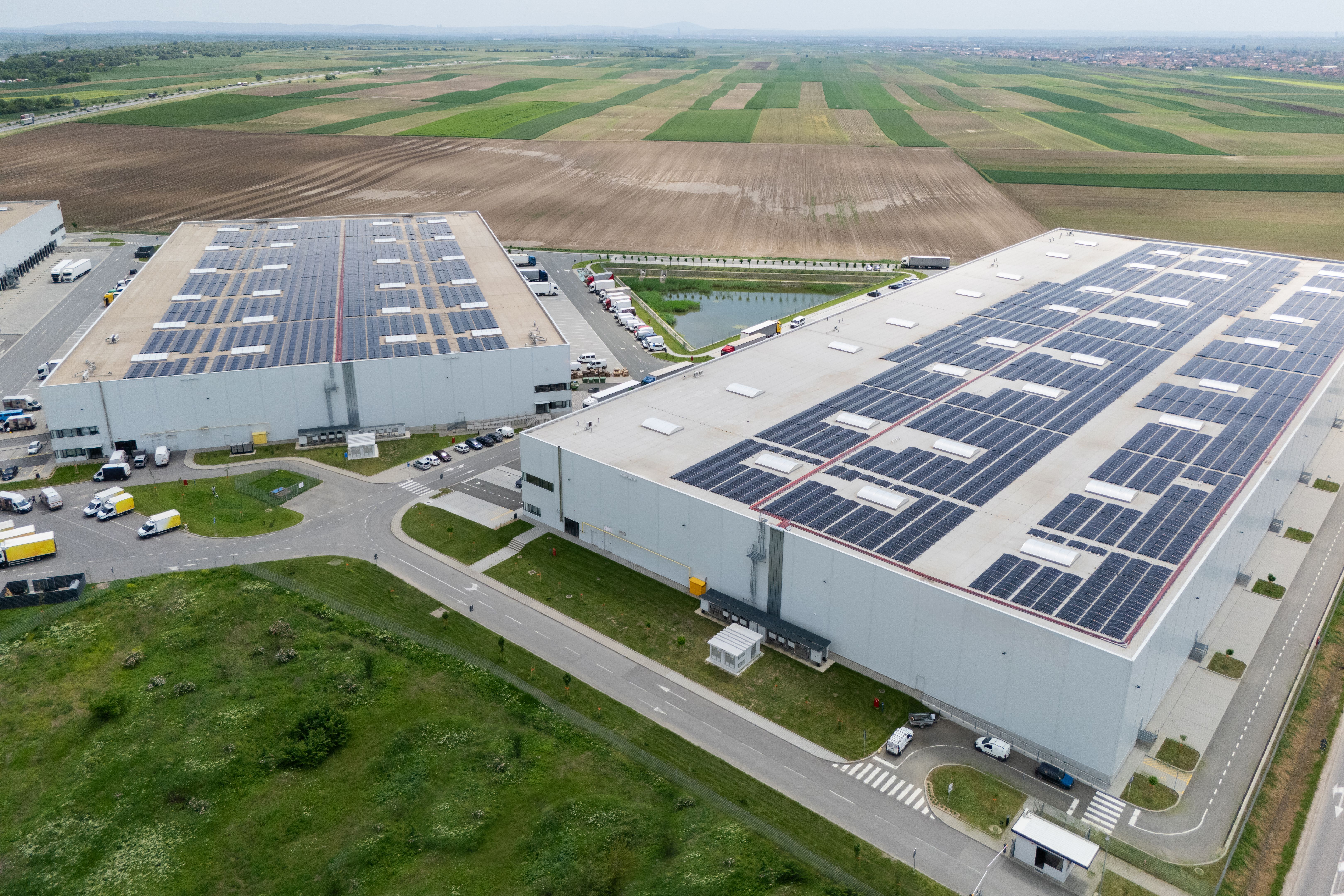
After selecting a storage solution, the installation and integration phase begins. Partner with experienced providers to ensure seamless integration with your existing energy systems. Key considerations include:
- Compatibility with existing infrastructure
- Scalability for future expansion
- Compliance with local regulations and standards
Proper installation is vital for maximizing efficiency and ensuring safety.
Monitoring and Maintenance
Once your system is operational, continuous monitoring and regular maintenance are essential. Implementing a robust monitoring system helps in tracking performance and identifying issues early. Regular maintenance ensures the longevity and efficiency of the storage system.

Consider partnering with service providers that offer predictive maintenance solutions to minimize downtime and optimize performance.
Conclusion
Integrating renewable energy storage into your commercial operations offers numerous benefits, from cost savings to improved energy resilience. By following these steps and collaborating with experts, you can ensure a successful implementation that supports your sustainability goals and enhances operational efficiency.