Maximizing Efficiency: Advanced Battery Technologies for Grid-Level Storage
JR
Understanding Advanced Battery Technologies
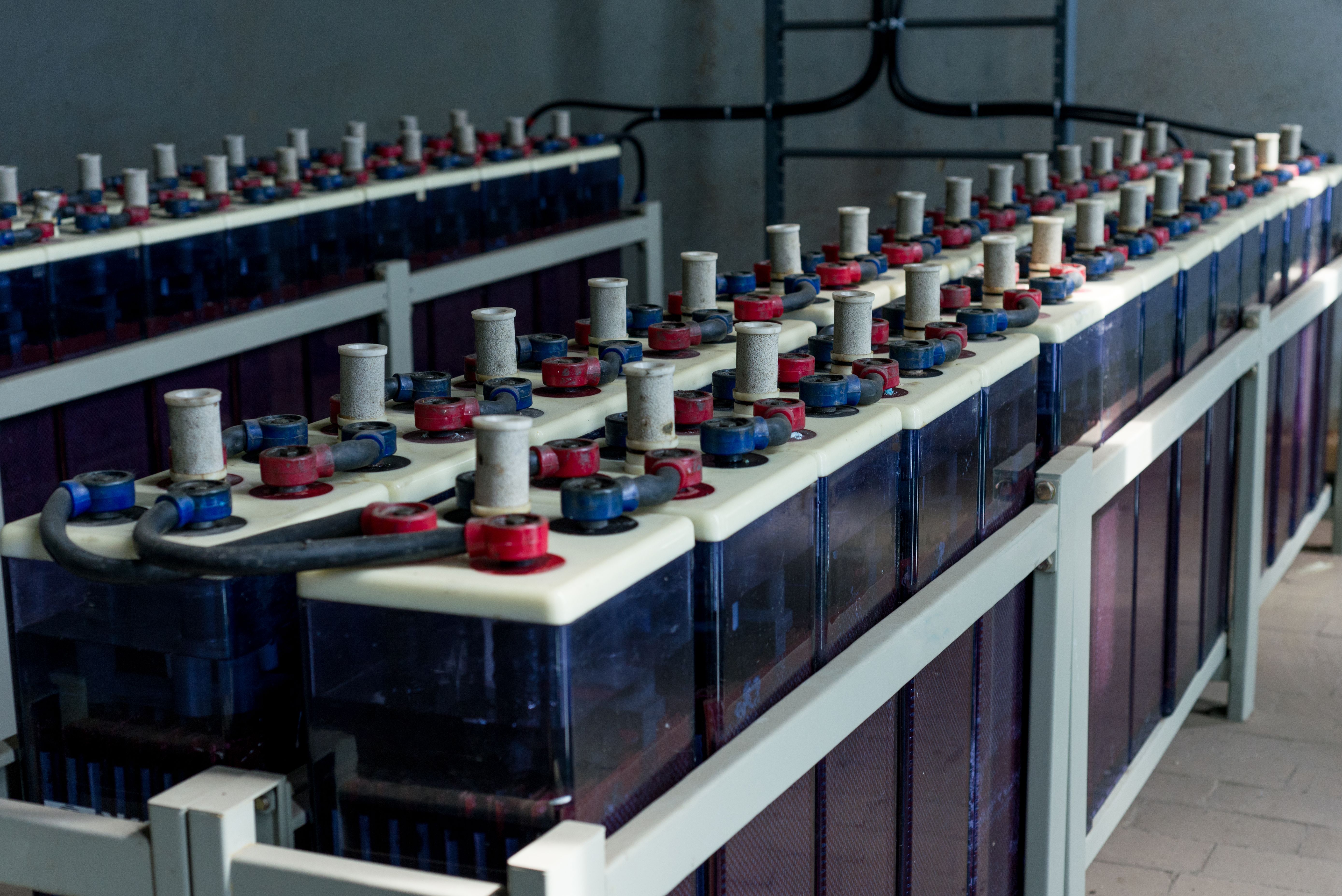
The evolution of battery technology is revolutionizing how we store energy at grid level. As renewable energy sources like solar and wind become increasingly prevalent, the demand for efficient and reliable storage solutions intensifies. Advanced battery technologies are stepping up to meet this challenge, offering improved performance and sustainability.
These technologies are not only enhancing energy storage capabilities but also providing essential support for grid stability. By storing excess energy during low-demand periods and releasing it during peak times, advanced batteries are crucial to maintaining a balanced energy supply.

Lithium-Ion Batteries
Lithium-ion batteries continue to dominate the energy storage sector due to their high energy density and efficiency. They are renowned for their long cycle life, which makes them an attractive option for grid-level applications. With ongoing research and development, lithium-ion technology is becoming more cost-effective and sustainable.
However, challenges such as thermal stability and resource scarcity remain. Innovations in battery design and recycling processes are essential to address these issues and ensure the long-term viability of lithium-ion solutions.
Flow Batteries
Flow batteries are emerging as a promising alternative for large-scale energy storage. Unlike traditional batteries, flow batteries store energy in liquid electrolytes, allowing for easy scalability. Their ability to provide consistent power over extended periods makes them ideal for grid-level storage.
One of the key advantages of flow batteries is their flexibility in terms of capacity and output. This adaptability means they can be tailored to suit specific energy demands, making them a versatile option for energy providers.
The Role of Solid-State Batteries
Solid-state batteries represent the next frontier in battery technology. By replacing liquid electrolytes with solid materials, these batteries offer significant improvements in safety and energy density. Solid-state technology reduces the risk of leakage and thermal runaway, providing a more stable energy storage solution.
Despite their potential, solid-state batteries are still in the developmental phase. Researchers are focused on overcoming challenges such as manufacturing complexity and cost to bring these batteries to market.
Environmental Impact and Sustainability
As the world shifts towards sustainable energy solutions, the environmental impact of battery technologies is under scrutiny. Advanced batteries must not only be efficient but also environmentally friendly. Efforts to improve recyclability and reduce the carbon footprint of battery production are crucial to achieving this goal.

Collaboration between governments, researchers, and industry leaders is essential to drive innovation and promote sustainable practices in battery manufacturing and disposal.
Future Prospects and Innovations
The future of grid-level storage is bright, with ongoing advancements in battery technology promising to reshape the energy landscape. Innovations such as hybrid battery systems and integration with smart grid technologies are on the horizon, offering even greater efficiency and reliability.
By continuing to invest in research and development, we can maximize the potential of advanced battery technologies and pave the way for a sustainable energy future.