Seasonal Preparation: Optimizing Your Energy Storage for Colorado Winters
JR
Understanding Energy Storage Needs
As the chill of Colorado winters approaches, preparing your home for efficient energy use becomes crucial. Energy storage systems can help manage electricity demand, reduce costs, and ensure a reliable power supply during the cold months. Understanding your energy needs is the first step in optimizing these systems for winter.
Before winter sets in, assess your current energy consumption patterns. Consider the appliances and systems that use the most electricity and identify opportunities for efficiency improvements. This analysis will guide your energy storage strategy and ensure you have sufficient capacity to meet your needs.
Choosing the Right Energy Storage System
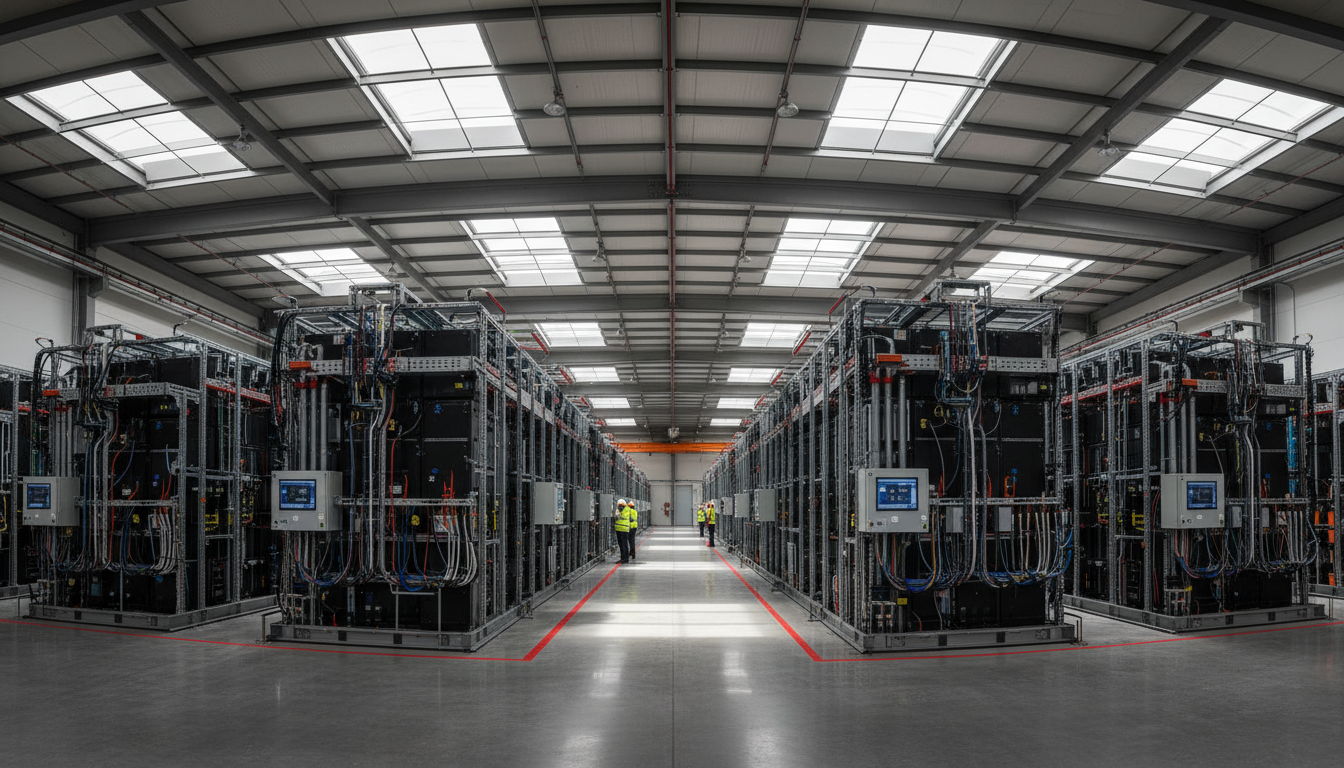
Different energy storage systems are available, each with unique advantages. Selecting the right one for your home depends on various factors, including your budget, energy requirements, and environmental preferences. Popular options include lithium-ion batteries, lead-acid batteries, and flow batteries.
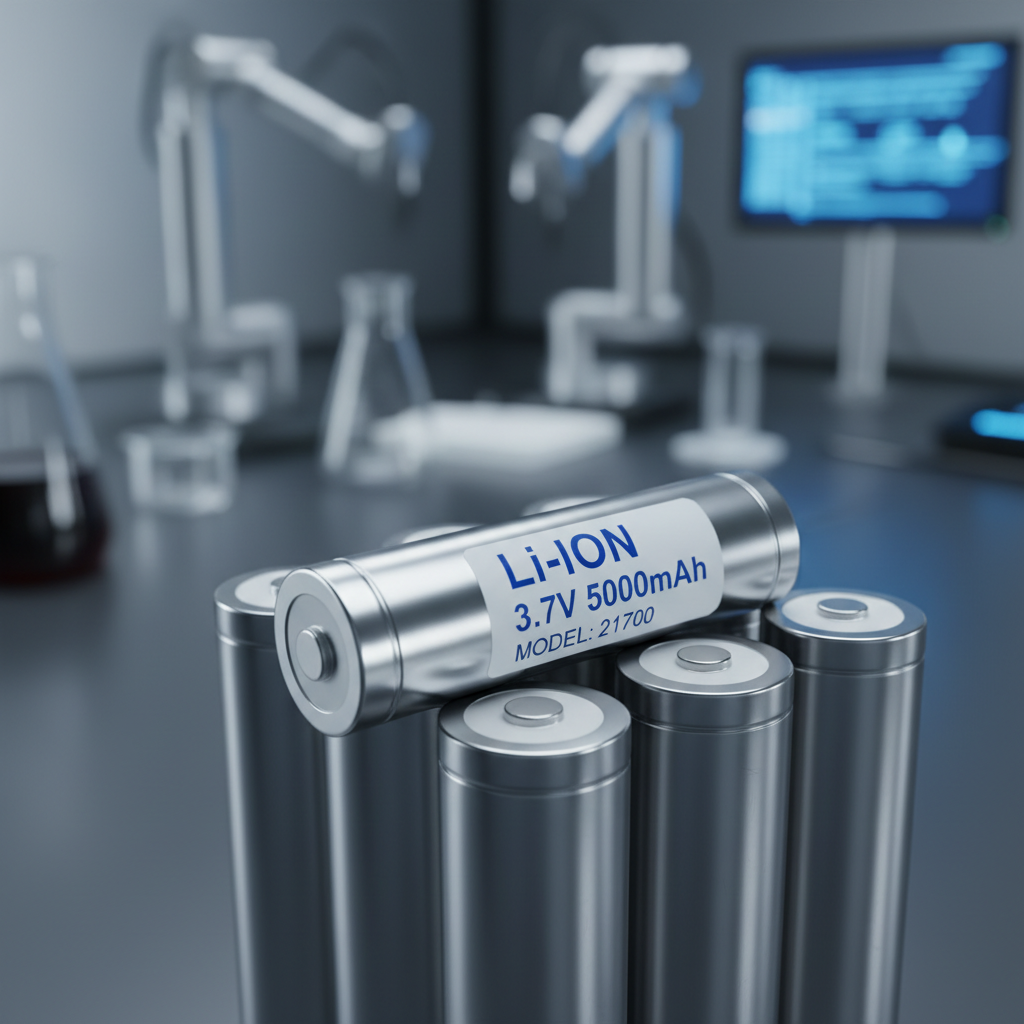
Lithium-ion batteries are widely used due to their high energy density and long lifespan. They are ideal for households with moderate to high energy demands. On the other hand, lead-acid batteries offer a cost-effective solution for those with lower energy needs. Although they have a shorter lifespan, advances in technology have improved their efficiency.
Maximizing Efficiency with Solar Integration
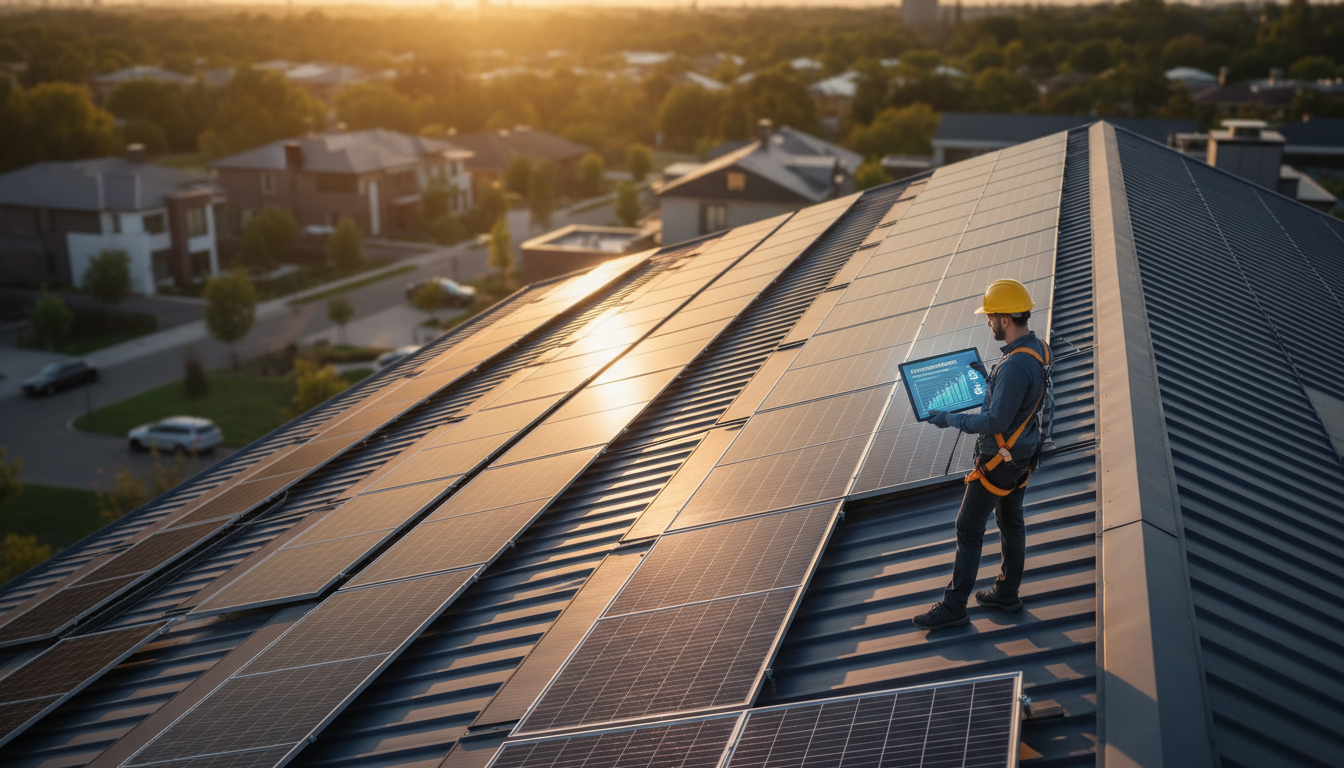
Integrating solar panels with your energy storage system can enhance efficiency and sustainability. Solar energy provides a renewable source of power that can significantly reduce reliance on the grid. During sunny winter days, solar panels can charge your batteries, ensuring you have stored energy for nighttime or cloudy periods.
To maximize the benefits of solar integration, ensure your panels are positioned correctly to capture the most sunlight. Regular maintenance, such as cleaning and inspecting for damage, will also optimize their performance throughout the winter.
Implementing Energy-Saving Measures
In addition to optimizing your energy storage, implementing energy-saving measures can further reduce your winter energy costs. Simple actions like sealing windows and doors, using energy-efficient appliances, and setting thermostats to optimal temperatures can make a significant difference.
Consider using smart home technology to monitor and control energy use. Smart thermostats, for instance, can learn your heating preferences and adjust accordingly, ensuring comfort while minimizing waste.
Monitoring and Maintenance
Regular monitoring and maintenance of your energy storage system are essential for optimal performance. Check battery levels and system diagnostics frequently, and address any issues promptly to avoid disruptions.
Schedule annual inspections with a professional to ensure your system is functioning correctly and efficiently. This proactive approach will keep your energy storage in top condition throughout the winter months.

Conclusion
Optimizing your energy storage for Colorado winters involves careful planning and implementation. By understanding your energy needs, choosing the right storage system, integrating solar power, and adopting energy-saving measures, you can ensure a warm and energy-efficient home during the coldest months of the year.
With proper preparation and maintenance, you'll enjoy the benefits of reduced energy costs and a reliable power supply, all while minimizing your environmental impact.