The Future of Advanced Battery Technologies: Trends and Innovations
JR
As the world increasingly embraces renewable energy and electric vehicles, the demand for advanced battery technologies is at an all-time high. These innovations are crucial in the transition to a more sustainable future, offering longer life cycles, faster charging times, and enhanced energy density.
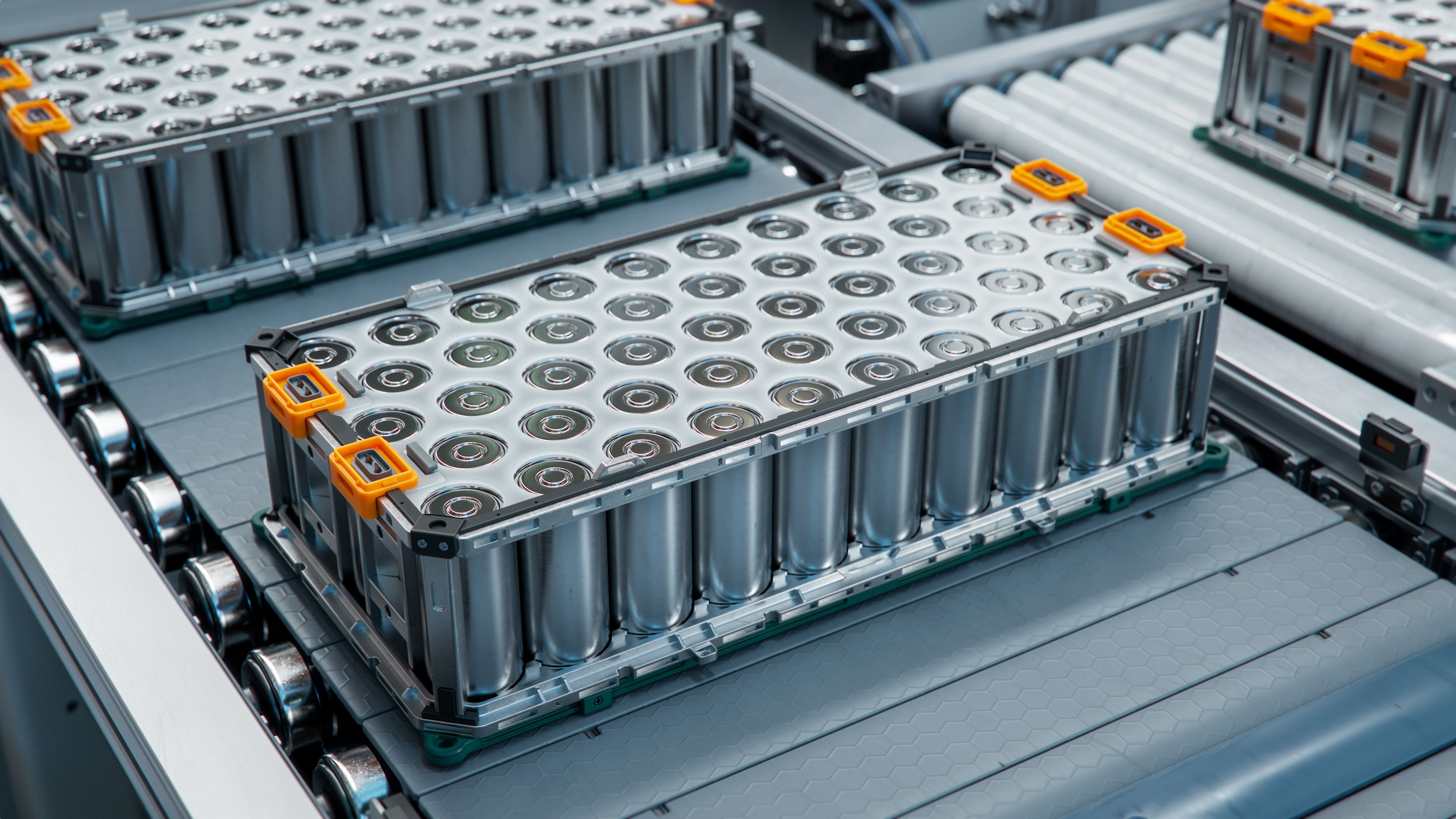
Emerging Trends in Battery Technologies
One of the most promising trends is the development of solid-state batteries. Unlike traditional lithium-ion batteries, solid-state batteries use a solid electrolyte, which significantly reduces the risk of overheating and increases energy density. This technology promises to revolutionize the electric vehicle industry by providing longer ranges and quicker charging times.
Another trend is the exploration of alternative materials. Researchers are investigating the use of materials like silicon and graphene to improve battery performance. Silicon anodes, for example, can store more lithium ions than traditional graphite anodes, potentially increasing battery capacity by up to ten times.
Innovations in Battery Recycling
As the use of batteries grows, so does the need for efficient recycling methods. Innovations in this area focus on recovering valuable materials such as lithium, cobalt, and nickel from old batteries. Advanced recycling techniques not only reduce environmental impact but also provide a sustainable supply of materials for new batteries.
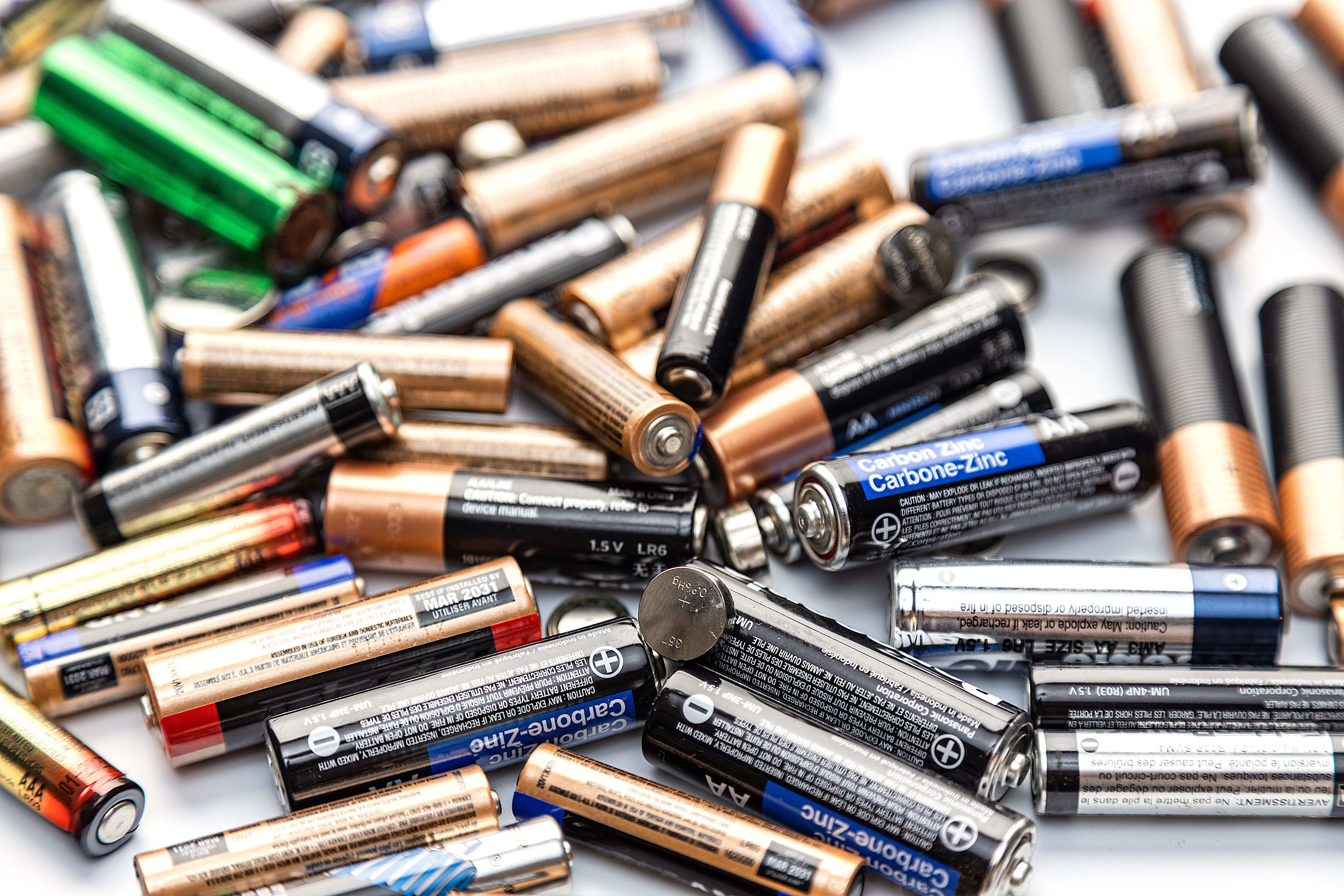
Companies are investing in closed-loop recycling systems, which aim to reuse materials from old batteries to create new ones. This approach not only minimizes waste but also reduces the dependency on mining, which is both costly and environmentally damaging.
The Role of AI and IoT in Battery Management
Artificial intelligence (AI) and the Internet of Things (IoT) are playing an increasingly important role in battery management. AI algorithms can predict battery life and optimize charging cycles, while IoT devices can monitor battery health in real-time. These technologies help in extending battery life and improving overall efficiency.
Moreover, smart grids are leveraging IoT to integrate advanced battery storage systems, allowing for better energy distribution and management. This integration is essential for maximizing the use of renewable energy sources like solar and wind.

Challenges and Future Outlook
Despite the exciting advancements, challenges remain. High production costs, limited raw material availability, and regulatory hurdles can impede the widespread adoption of new battery technologies. However, ongoing research and investment are likely to overcome these barriers in the coming years.
The future of advanced battery technologies looks promising, with continuous innovations paving the way for more sustainable and efficient energy solutions. As these technologies evolve, they will play a pivotal role in shaping the energy landscape of tomorrow.