The Future of Advanced Battery Technologies in Renewable Storage
JR
The Evolution of Battery Technologies
As the world shifts towards more sustainable energy solutions, the role of advanced battery technologies in renewable storage becomes increasingly crucial. These technologies are at the forefront of enabling a cleaner, greener future by efficiently storing energy from renewable sources like solar and wind.
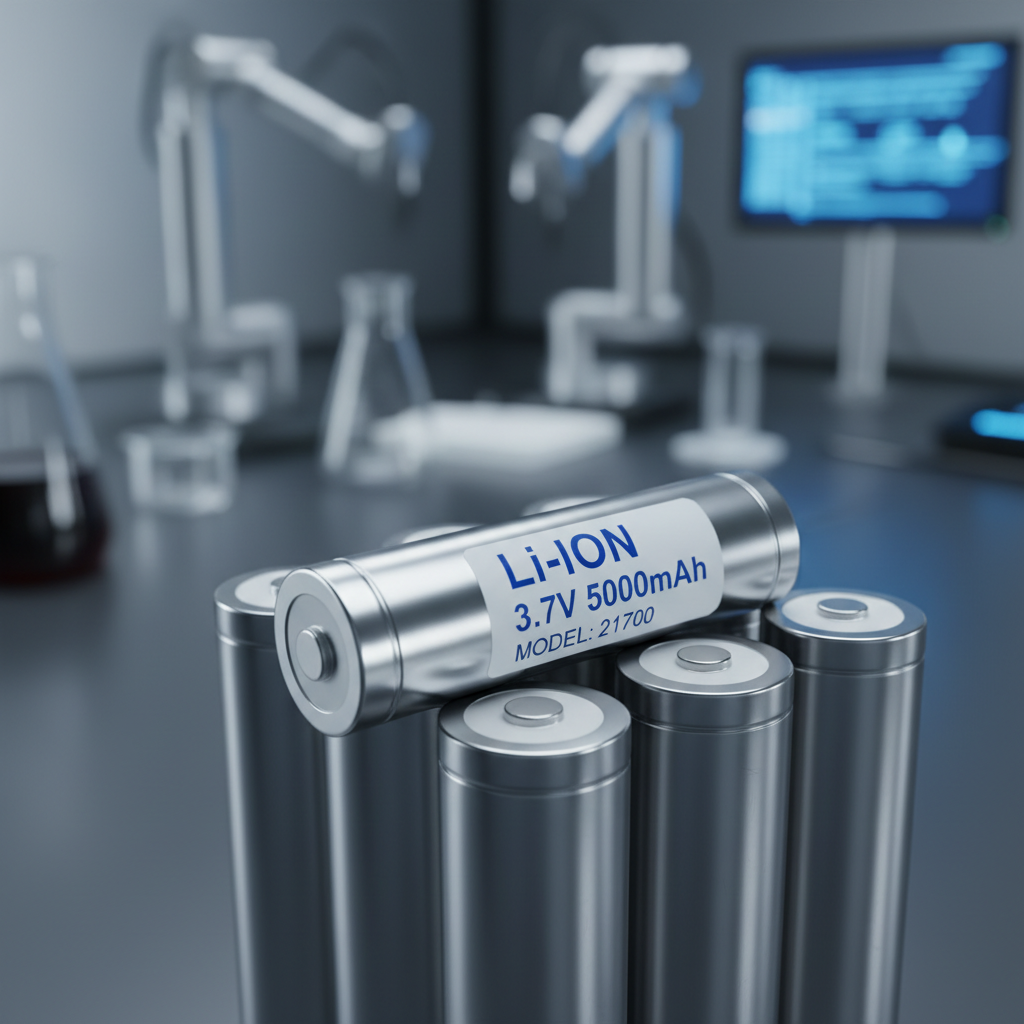
The development of battery technologies has evolved significantly over the years. From the traditional lead-acid batteries to the more advanced lithium-ion options, each advancement has brought us closer to achieving optimal energy storage. Today, researchers and companies are exploring next-generation technologies such as solid-state batteries and flow batteries, which promise enhanced efficiency and capacity.
Solid-State Batteries: A Game Changer?
Solid-state batteries are considered a revolutionary advancement in battery technology. Unlike traditional batteries that use liquid electrolytes, solid-state batteries utilize a solid electrolyte. This change offers several benefits, including higher energy density, longer lifespan, and improved safety.
One of the most significant advantages of solid-state batteries is their potential to store more energy in a smaller space. This capability is particularly beneficial for electric vehicles (EVs), where space and weight are critical considerations. Furthermore, the reduced risk of leakage and combustion makes them a safer alternative to current lithium-ion options.
Flow Batteries: The Future of Grid Storage
Flow batteries represent another promising development in renewable energy storage. These batteries operate by storing energy in liquid electrolytes contained in external tanks. The energy capacity can be easily scaled by increasing the size of these tanks, making them ideal for large-scale energy storage applications.
Flow batteries are particularly suited for grid storage, where they can help balance supply and demand. Their ability to store and discharge large amounts of energy over extended periods makes them an excellent choice for supporting renewable energy sources that are inherently variable, such as wind and solar power.
Innovations in Battery Materials
Beyond new types of batteries, innovations in battery materials are also driving advancements. Researchers are exploring alternatives to traditional materials, such as silicon anodes and lithium-sulfur compounds, to improve battery performance and sustainability.
Silicon anodes, for instance, can hold significantly more lithium ions than the conventional graphite anodes, potentially increasing energy density. Meanwhile, lithium-sulfur batteries promise a more sustainable and cost-effective solution, as sulfur is abundant and inexpensive.
The Impact on Renewable Energy Adoption
Advanced battery technologies play a pivotal role in the broader adoption of renewable energy. By providing reliable and efficient storage solutions, these technologies help address the intermittent nature of renewable sources, ensuring a steady supply of clean energy.
The integration of advanced batteries into the energy grid can reduce reliance on fossil fuels, lower greenhouse gas emissions, and promote energy independence. As these technologies continue to mature, they will likely become more accessible and affordable, accelerating the transition to a sustainable energy future.
The Road Ahead
The future of advanced battery technologies in renewable storage is promising, with continuous research and development paving the way for new breakthroughs. As these technologies evolve, they will play an integral role in achieving global sustainability goals and combating climate change.
Collaboration between governments, industries, and researchers will be key to overcoming the challenges and ensuring the successful deployment of these advanced storage solutions. As we look ahead, the potential for innovation in this field is vast, and its impact on our planet could be profound.