The Future of Grid-Level Storage: Innovations and Trends
JR
Understanding Grid-Level Storage
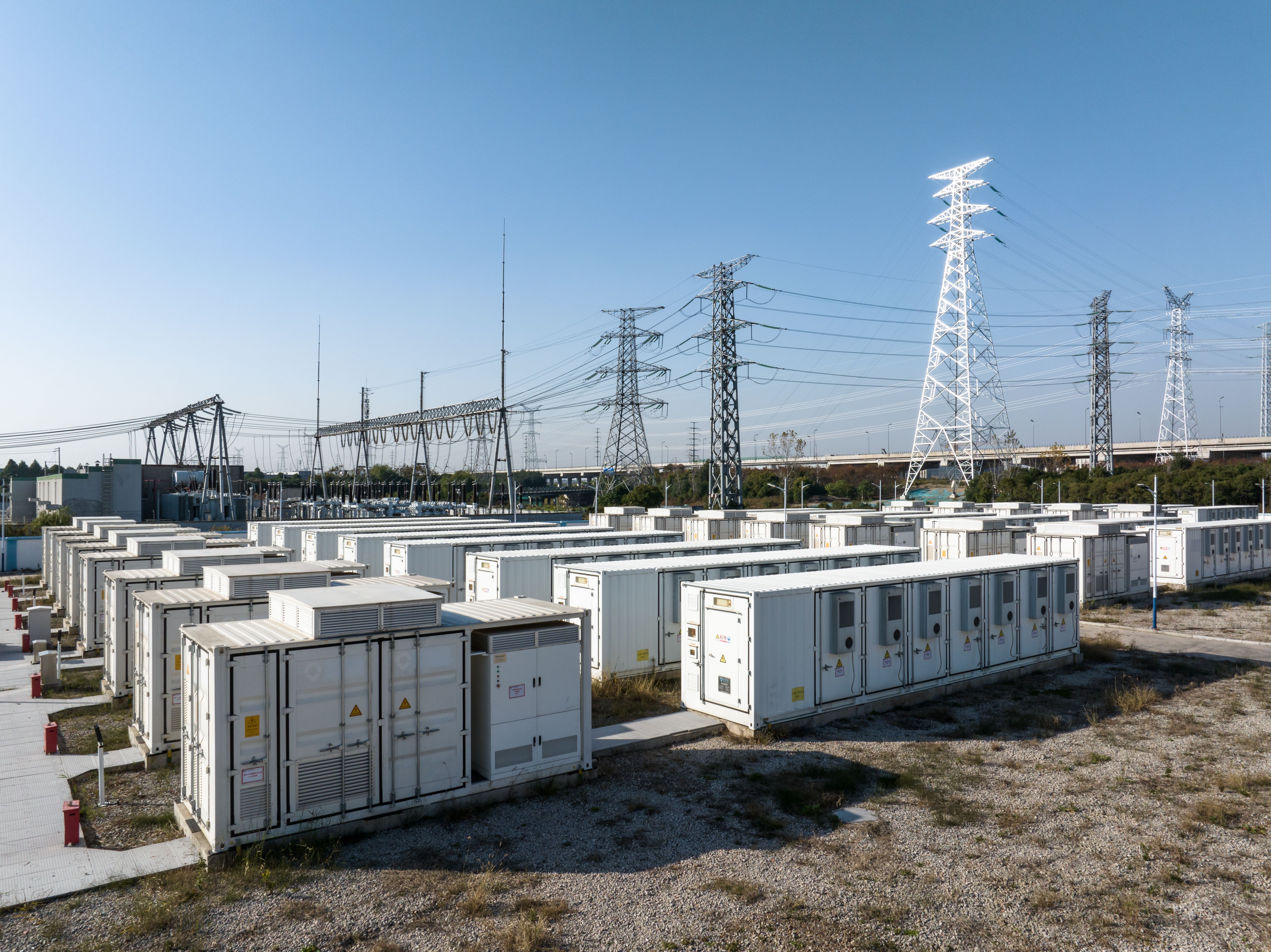
As the world transitions towards renewable energy, grid-level storage is becoming increasingly vital. This technology helps balance supply and demand, storing excess energy generated during peak production times and releasing it when needed. The innovations in this field are not only fascinating but also crucial for a sustainable energy future.
Grid-level storage solutions are essential for stabilizing the energy grid. They enable the storage of energy from intermittent sources like solar and wind, which produce energy at variable rates. This ensures a reliable supply of electricity, even when renewable sources are not actively generating power.
Innovative Technologies in Grid-Level Storage
Lithium-Ion Batteries
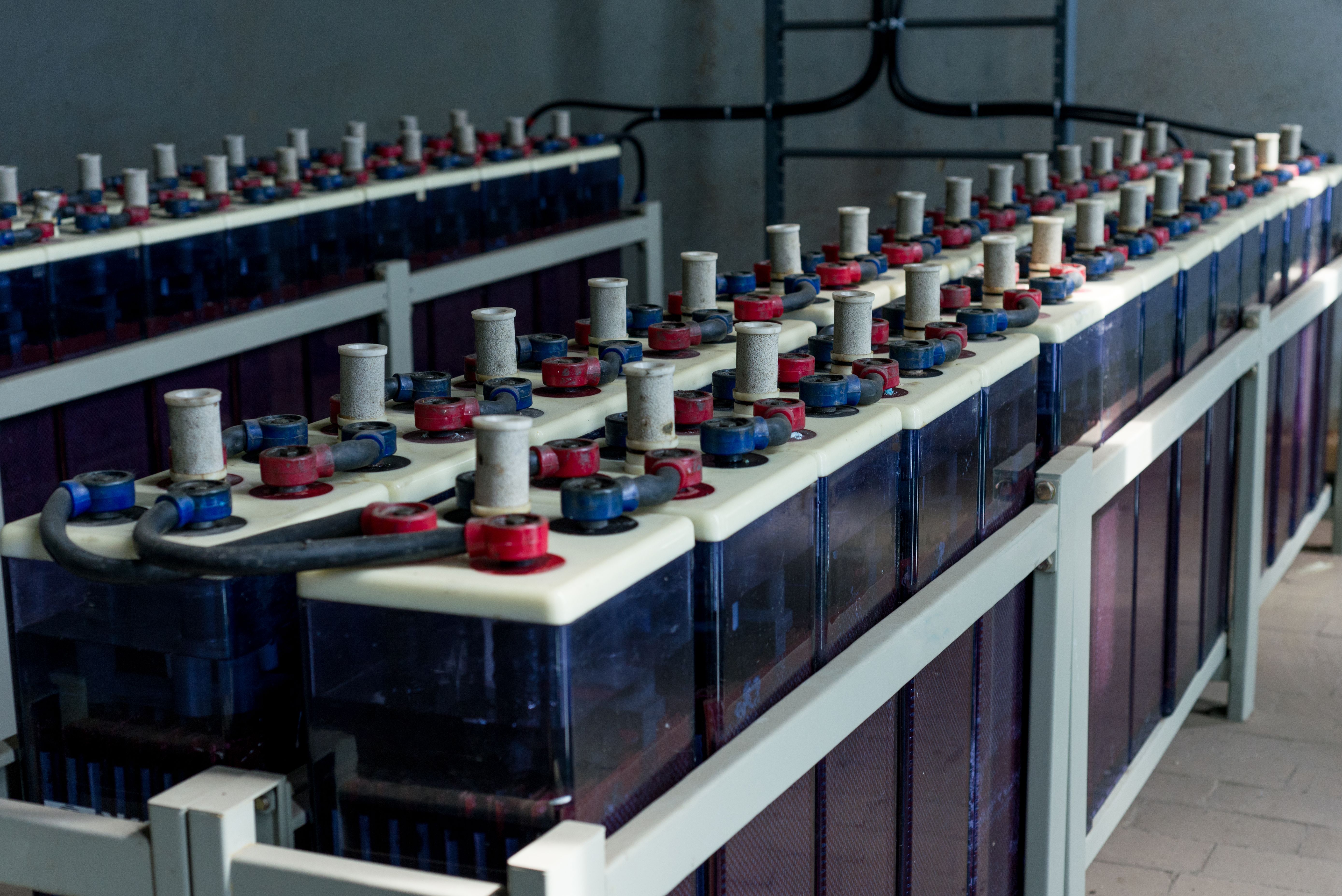
Lithium-ion batteries have been at the forefront of energy storage innovations. Known for their high energy density and efficiency, these batteries are currently the most common form of grid-level storage. Advances in battery chemistry and manufacturing are further enhancing their capacity and reducing costs.
Flow Batteries
Flow batteries are emerging as a promising alternative. Unlike traditional batteries, they store energy in liquid electrolytes contained in external tanks. This allows for easy scalability and long-duration storage, making them ideal for large-scale applications. Recent developments are improving their efficiency and bringing down costs.
Trends Influencing Grid-Level Storage
Decentralized Energy Systems
One significant trend is the move towards decentralized energy systems. Microgrids and distributed energy resources are becoming more prevalent, requiring localized storage solutions. This shift is driving innovations in smaller, modular storage systems that can be easily integrated into local grids.
Policy and Investment
Government policies and investments are also shaping the future of grid-level storage. Many countries are implementing incentives and regulations that promote the development and adoption of advanced storage technologies. This support is crucial for accelerating innovation and deployment.

Challenges and Opportunities
Despite the progress, several challenges remain. The high initial costs of some storage technologies can be a barrier to widespread adoption. Additionally, integrating these systems into existing grids requires significant infrastructure upgrades.
However, these challenges present opportunities for growth and collaboration. By investing in research and development, companies and governments can work together to create more efficient and affordable solutions. The potential for job creation and economic growth in this sector is substantial.

The Road Ahead
The future of grid-level storage is bright, with continuous advancements promising to reshape the energy landscape. As technologies evolve and become more accessible, the transition to a renewable energy future will accelerate, bringing us closer to a sustainable and resilient power grid.
By harnessing the potential of new storage technologies, we can ensure a stable and reliable energy supply, paving the way for a cleaner, greener planet. The innovations and trends in grid-level storage are not just changing the energy sector; they are powering the future.