Top 5 Innovations in Energy Storage Solutions for Utilities
JR
Introduction to Energy Storage Innovations
The energy sector is undergoing a transformative phase, with utilities at the forefront of integrating new technologies. Among these advancements, energy storage solutions stand out as pivotal in ensuring a reliable and sustainable energy supply. Here, we explore the top five innovations in energy storage that are reshaping the landscape for utilities.
Lithium-Ion Batteries: The Industry Standard
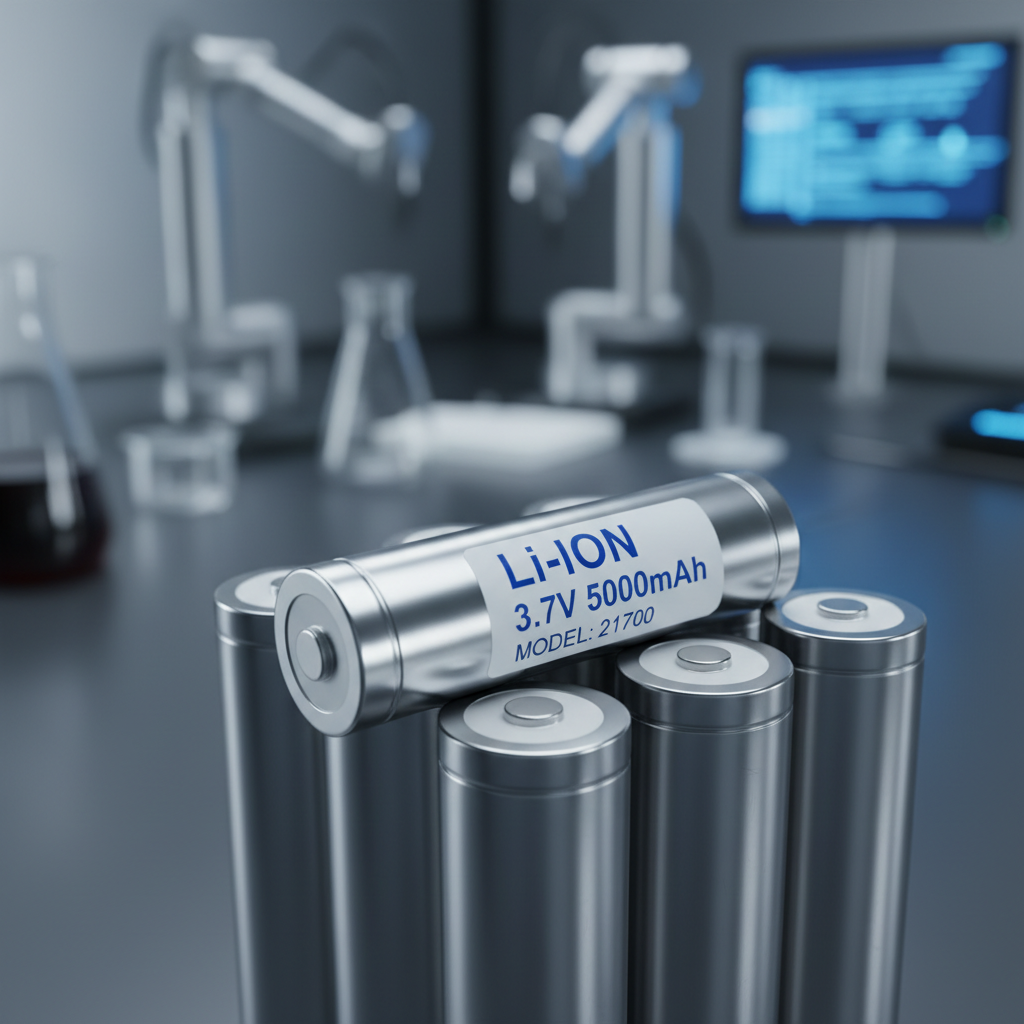
Lithium-ion batteries have become the gold standard for energy storage. Their high energy density and declining costs make them an attractive option for utilities looking to store energy efficiently. These batteries are crucial for grid stability, especially with the increasing reliance on renewable sources like solar and wind.
Flow Batteries: Long-Duration Storage
Flow batteries are gaining attention for their ability to provide long-duration energy storage. Unlike traditional batteries, they store energy in liquid electrolytes, allowing for easy scalability. This feature makes them ideal for large-scale utility applications, offering a longer lifespan and enhanced safety.
Compressed Air Energy Storage (CAES)
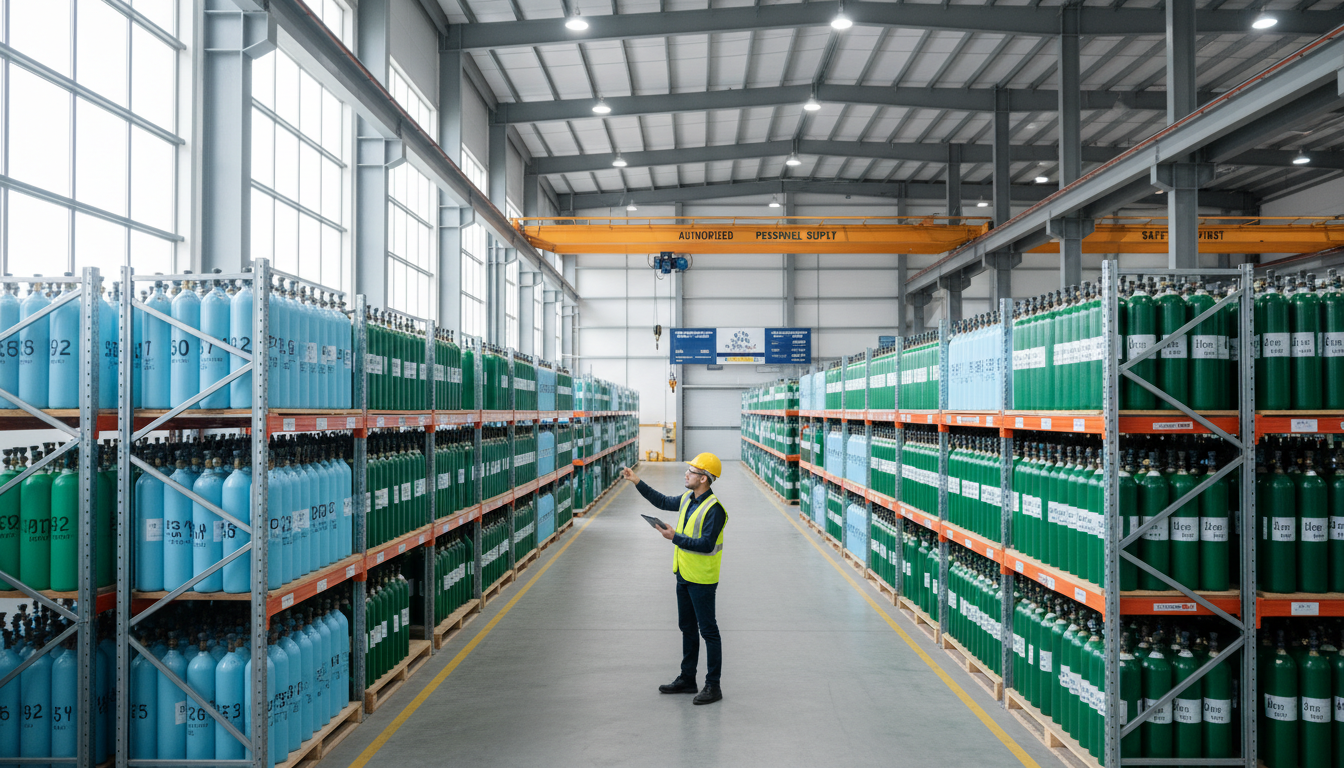
Compressed Air Energy Storage is an innovative solution that stores energy by compressing air in underground caverns. When energy is needed, the compressed air is released to generate electricity. CAES is highly efficient and capable of storing vast amounts of energy, making it suitable for utility-scale operations.
Thermal Energy Storage: Harnessing Heat
Thermal energy storage systems capture and store heat, which can later be converted into electricity. This technology is particularly effective when paired with solar thermal power plants. By storing heat during the day, utilities can provide consistent energy output even when the sun isn't shining.
Hydrogen Storage: The Future Frontier
Hydrogen storage represents a promising frontier in energy storage solutions. By converting excess electricity into hydrogen through electrolysis, utilities can store energy for extended periods. This hydrogen can then be used in fuel cells to generate electricity or as a clean fuel alternative.
Conclusion: The Path Forward
The continuous innovation in energy storage technologies is vital for the transition to a sustainable energy future. As utilities adopt these advanced solutions, they can enhance grid reliability, reduce carbon emissions, and support the growing demand for renewable energy. The future of energy storage holds great promise, with these innovations leading the way.